
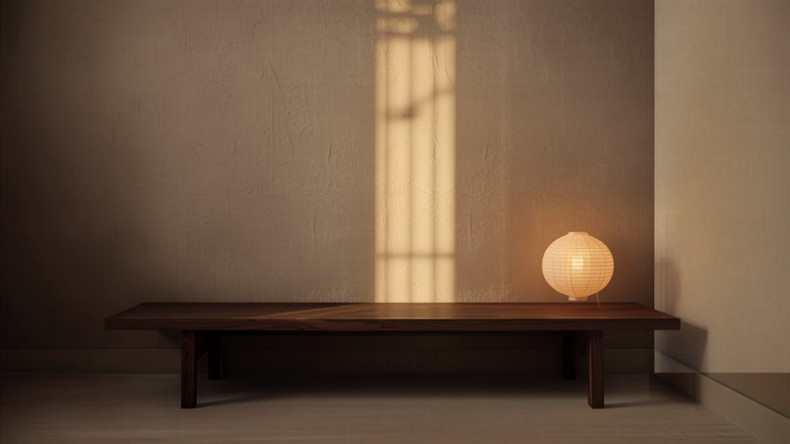
It is four in the afternoon, and the living room has gone the colour of weak tea. Outside, the sky is bright and wet at once, and the light comes in flat and warm through the glass.
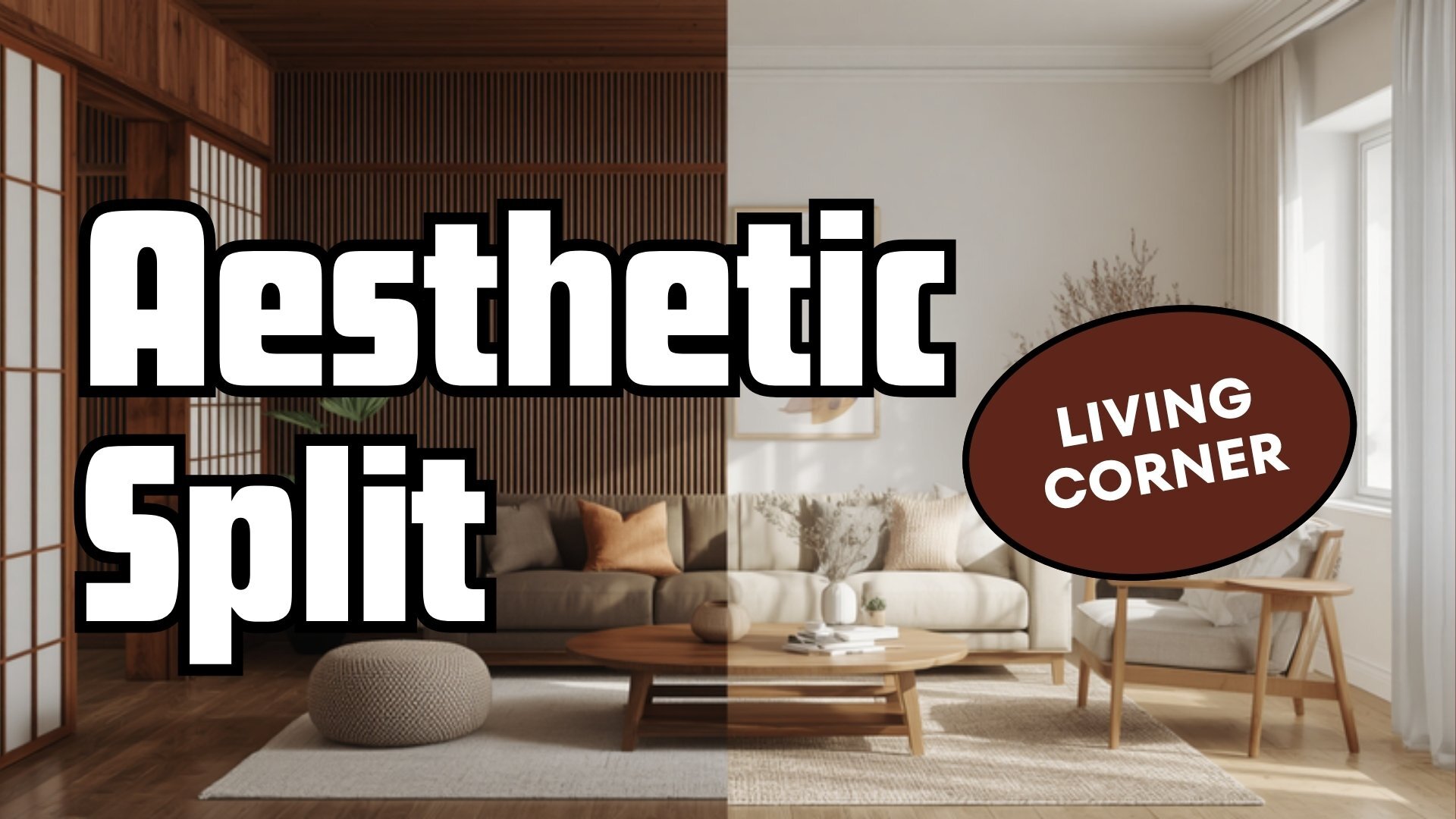
This is the hour that decides things. The question of Japandi vs Scandinavian is not really about mood boards or magazines — it is about how a style behaves in the light and heat you actually live in. Scandinavian design was drawn for a cool, grey, north European sky. Japandi, which folds Japanese restraint into that same clean line, holds up better under a tropical afternoon. Before we talk timber and palette, we should talk about the weather.
Japandi vs Scandinavian starts with the light
Scandinavian interiors were built to chase a sun that barely shows up. In Copenhagen or Stockholm, winter light is thin and short, so the rooms answer back with pale walls, near-white oak, and a lot of reflective surface, all working to catch every last lumen. It is a design of scarcity — making a little light go a long way.
Singapore and Malaysia have the opposite problem. Here the light is generous to the point of excess, and often harsh. A pure Scandinavian scheme, transplanted whole, can read cold and clinical under our sun — the whites glare, the surfaces bounce, and the room never quite settles.
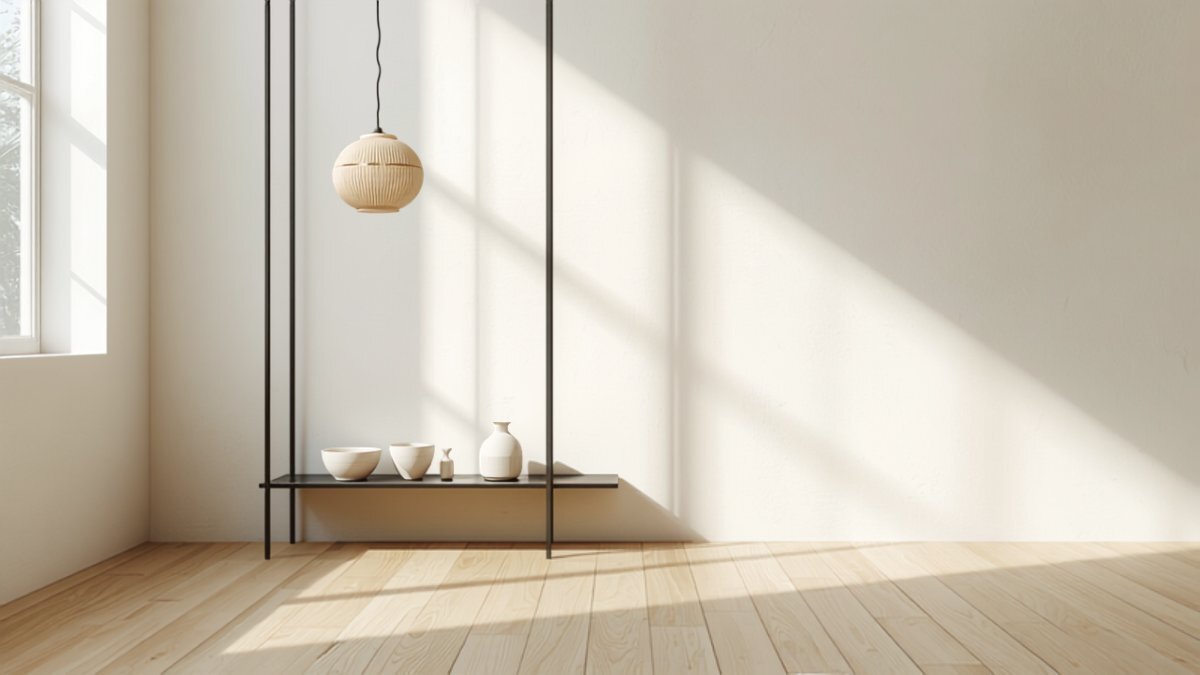
Japandi answers the same brief differently. It keeps the clean Scandinavian frame but leans on warmer wood tones, softer contrast, and considered shadow. It welcomes komorebi — light filtered and broken, rather than light maximised — which is closer to how our afternoons actually arrive, through blinds and trees and rain.
Materials, and how they age in humidity
The second difference is what the two styles ask of their materials.
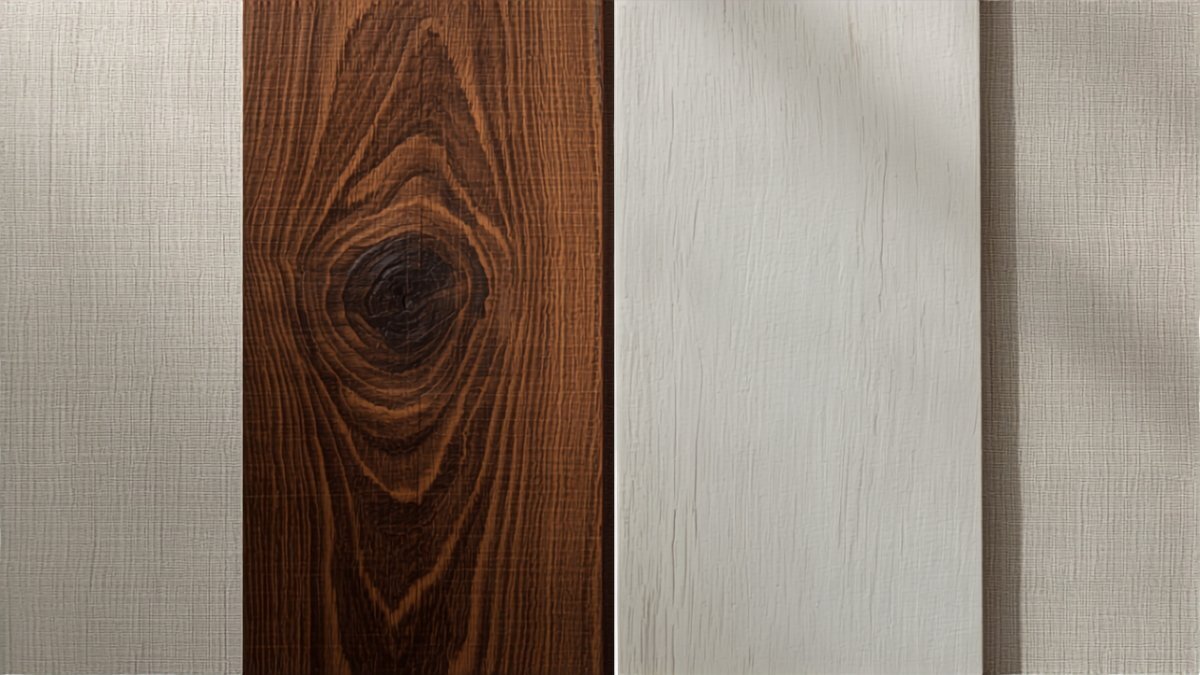
Scandinavian favours very pale, very smooth surfaces — bleached oak, painted MDF, high reflectivity. Under 80 to 90 per cent humidity, those flawless pale finishes are unforgiving. Every swollen edge and every seam shows, and a scheme that depended on perfection begins to look tired within a few monsoon seasons.
Japandi is more comfortable with honest material and a little patina. It expects wood to breathe, to warm and darken slightly, to carry grain rather than hide it. That tolerance matters here, where timber lives and moves with the moisture in the air. The right specification still does the heavy lifting — a moisture-resistant carcass, a stable board, a soft-close that stays true — but the aesthetic is on your side rather than fighting you. If you are weighing boards, our note on which cabinet material survives Singapore's 90% humidity goes deeper than we can here.
There is a quieter, practical dividend to this. Because Japandi accepts a warmer, matt, grained surface, it hides the small marks of daily life — a fingerprint, a faint water ring, the softening of an edge over a few years — far better than a high-gloss white ever could. In a home with children, or a busy condo kitchen, that forgiveness is worth as much as the look. A finish that ages gracefully asks less of you, week to week.
The palette, side by side
A Japandi colour palette and a Scandinavian one look like cousins at a distance, then diverge up close.
- Scandinavian: cool neutrals — chalk white, grey, dove, pale birch — with the odd bright accent. Built to lift a dim room.
- Japandi: warm neutrals — oat, clay, greige, soft charcoal, deeper walnut — grounded rather than lifted. Built to calm a bright one.
In our light, the warmer palette simply sits better. Cool greys that look serene in a Nordic flat can turn slightly grim under a monsoon sky, while oat and clay hold their warmth whatever the weather does outside.
Furniture and line
Both styles believe in restraint, clean legs, and nothing shouting for attention. The difference is weight.
Scandinavian furniture tends to be light, tapered, and airy — designed to keep a small, dim room feeling open. Japandi pieces sit a little lower and a little heavier, with a stronger sense of the horizontal. In a Singapore condo or a KL terrace, where ceilings are generous and light is not scarce, that grounded, low line reads as calm rather than crowded. It gives the eye somewhere to rest.
This is also where cabinetry earns its keep. A kitchen like Mokko Kitchen leans into the Japandi instinct — long, quiet runs, handleless fronts, vertical grain, a palette that absorbs the afternoon instead of throwing it back at you.
Accessories, and knowing when to stop
Scandinavian styling is happy with a bit more — layered textiles, a gallery wall, candles, a considered clutter of hygge.
Japandi is quieter still. It trusts empty space to do real work, and it edits harder. One good ceramic, one branch, a generous stretch of nothing. In smaller homes, that discipline is practical as well as beautiful — less to dust, less to trip over, more room to breathe. Restraint is the whole point rather than a finishing touch.
So which one fits your home?
If you live under a grey northern sky, Scandinavian was written for you, and it will sing.
Under a Singapore or Malaysian sun, Japandi is the more honest translation. It keeps everything worth keeping from the Scandinavian tradition — the clean line, the calm, the good materials — and adjusts the temperature for where we actually are. The warmer palette handles our light. The materials handle our humidity. The lower line handles our rooms.
Pure Scandinavian can be done here, and done well, but it is always working slightly against the climate. Japandi works with it. The same restraint that keeps a Nordic winter cosy keeps a tropical afternoon serene — which is a rare thing for one design language to manage. If you want to see how it holds together at a single address, our Japandi in 90 sqm blueprint walks through a four-room BTO, room by room, and about Arimokko explains how we think about all of it.
It is nearly six now. The light has softened, the walls have warmed, and the room has finally decided what it wants to be.
Speak with our design team about your home, quietly, in person at our Aperia design office.