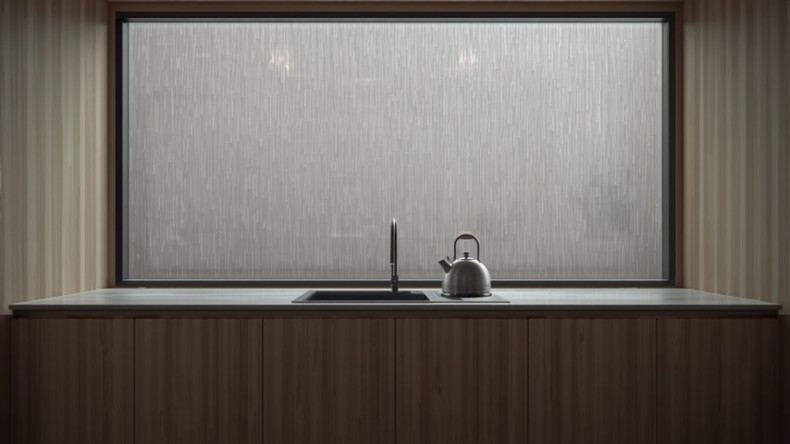
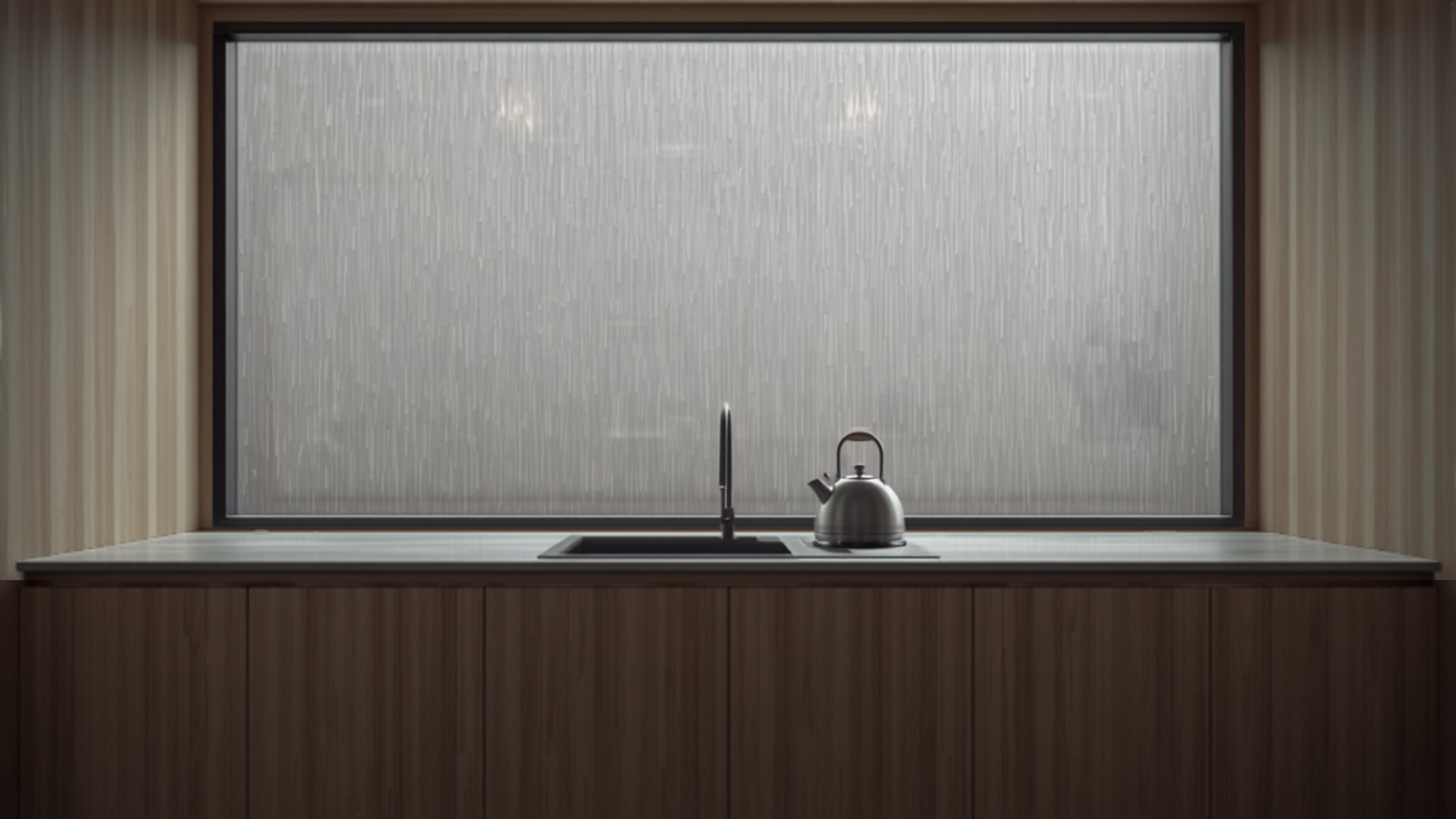
The afternoon storm arrives the way it always does here — suddenly, completely. Inside, the kitchen keeps its temperature and its calm. Somewhere between that downpour and your air-conditioned rooms, at close to ninety percent humidity, every cabinet in Singapore earns its keep. This is the climate High Moisture Resistant (HMR) boards were engineered for.
For years, marine plywood was the benchmark for kitchen carcasses, and it remains a fine material — we still specify it where its strengths matter. But material science has moved. For laminate-finished cabinetry made with precision at scale, HMR boards have quietly become the more considered choice. Here is why, plainly.
What HMR is, and how it differs from plywood
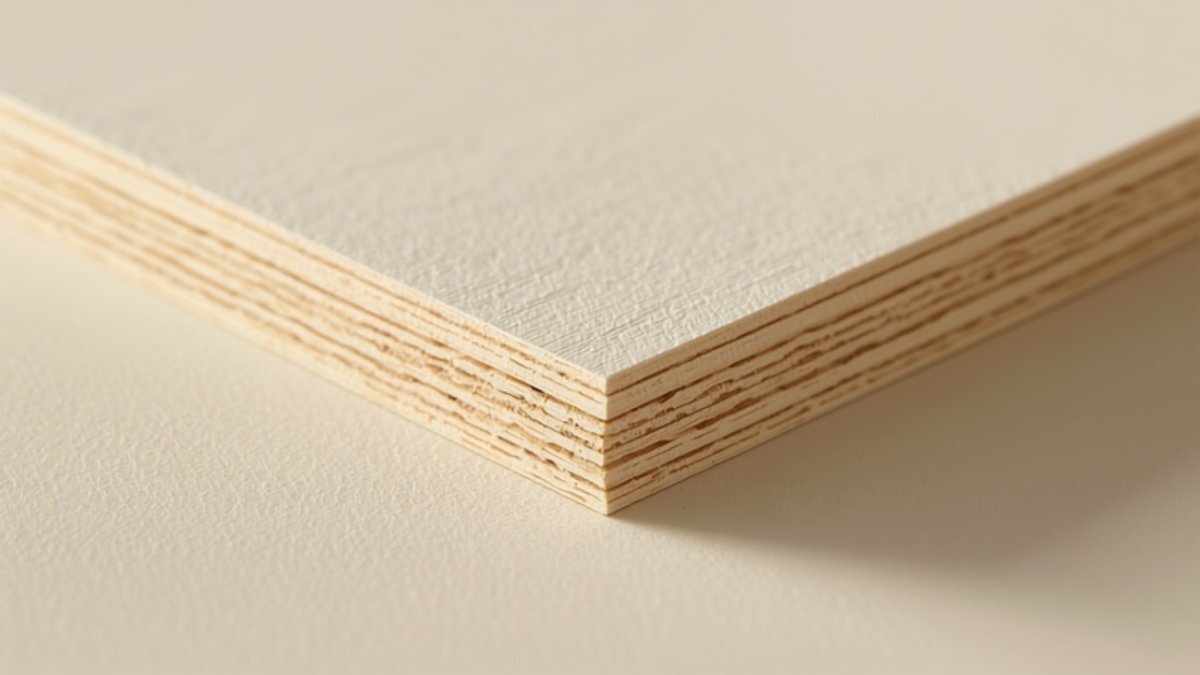
Plywood is built from thin veneers glued crosswise — strong, but its vulnerability has always been the edges, where moisture can find the glue lines. An HMR board follows a different philosophy: wood fibres bonded with a high-performance moisture-resistant resin and pressed into one uniform sheet, with no internal layers to separate.
That uniformity gives two quiet advantages. The face is ultra-smooth, so laminates sit perfectly flat with no grain telegraphing through. And the density is consistent from edge to edge, which lets a machine seal every side without a weak point.
What the V313 test actually asks of a board
The V313 standard is deliberately unreasonable. One cycle: three days submerged in water at 20°C, one day in a deep-freeze at −12°C, then three days in a 70°C oven. Run three times over.
Arimokko HMR boards hold an internal bond strength of ≥ 0.35 N/mm² after all three cycles. No kitchen will ever face that week. The test exists so that an ordinary humid Tuesday never matters.
E1, and the air in your home
Formaldehyde is a volatile organic compound found in many wood adhesives, and in an enclosed, air-conditioned flat, off-gassing is worth taking seriously. Every Arimokko board is certified to the E1 standard — emissions guaranteed at or below 0.1 parts per million. Durable is only half the brief; the other half is the air your family breathes.
Side by side
Where Arimokko stands
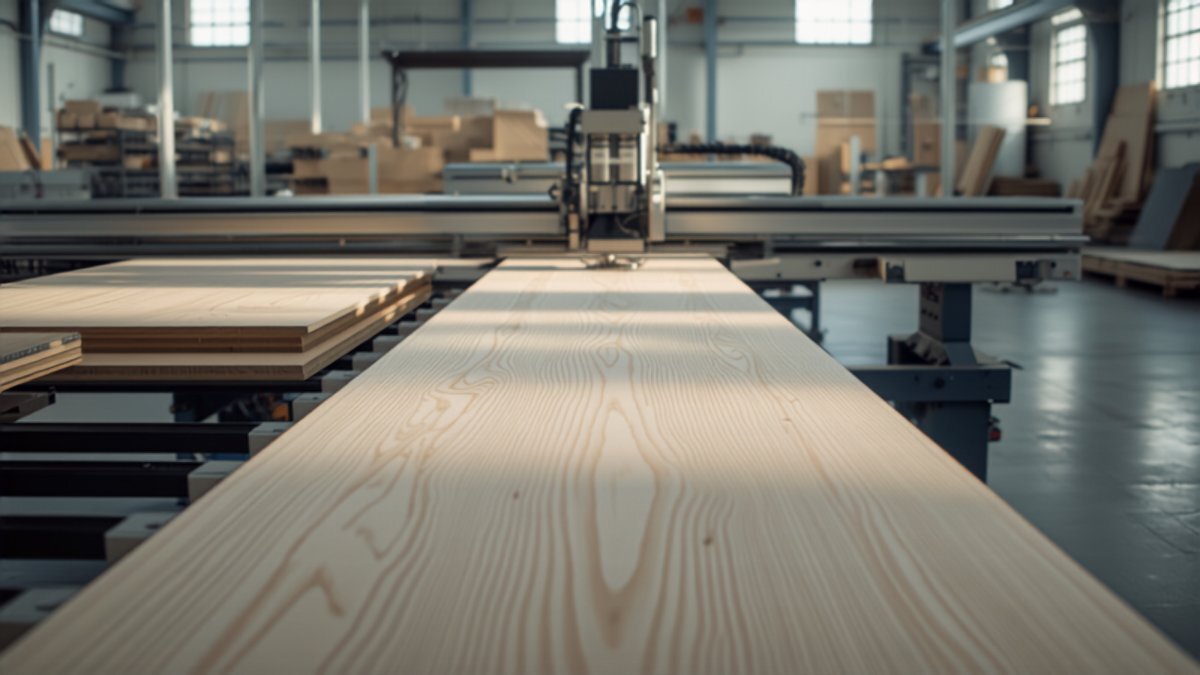
Our Central Kitchen model runs these boards through fully automated, CNC-driven manufacturing, so every edge is sealed by machine, to the millimetre, before it leaves our Senai factory. As Executive Committee members of STAS and SFIC, we hold ourselves to the standards we helped write.
A kitchen is a long commitment. We build the parts you never see as carefully as the ones you do.
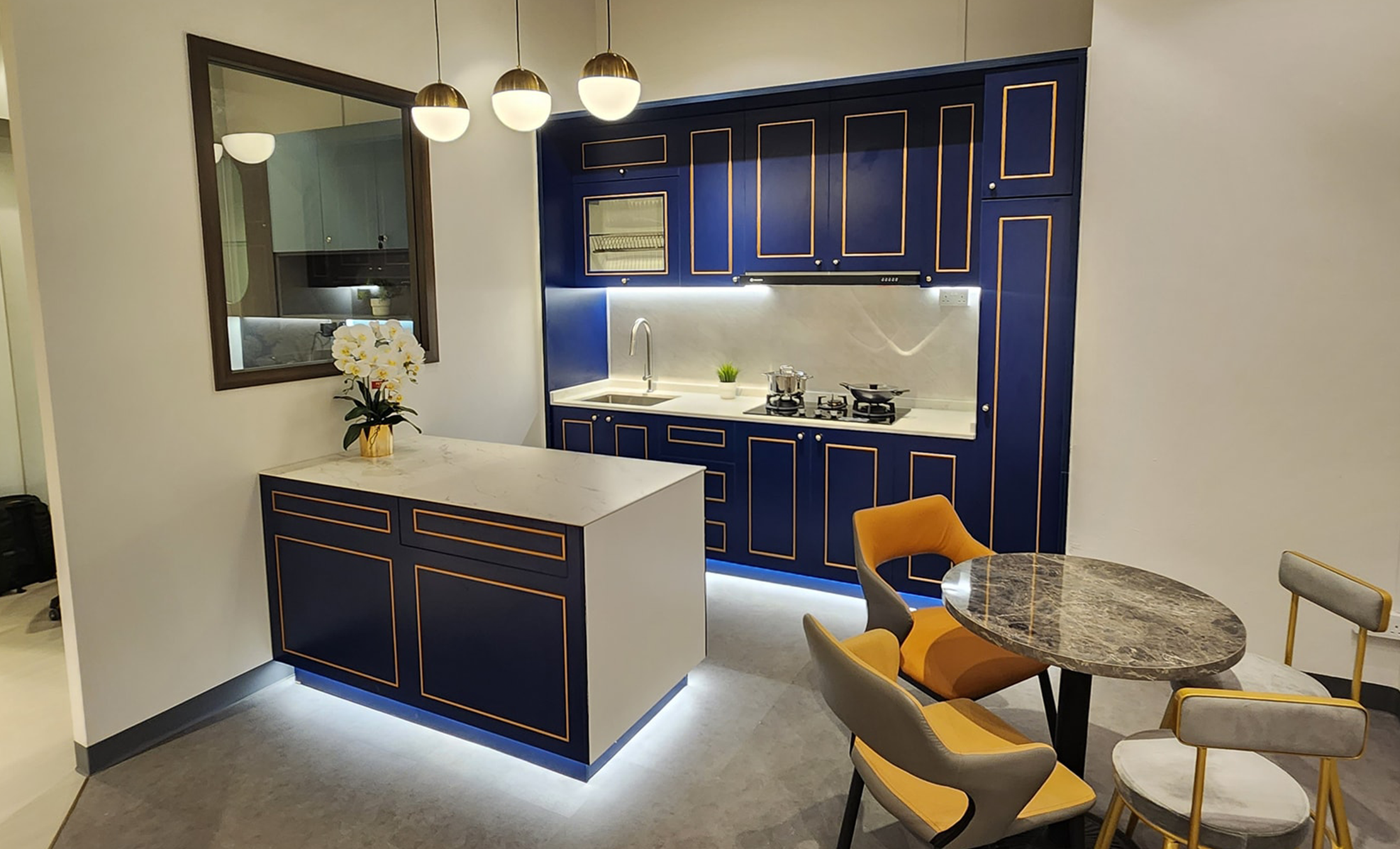
Arimokko — made in Senai, built for the tropics.