

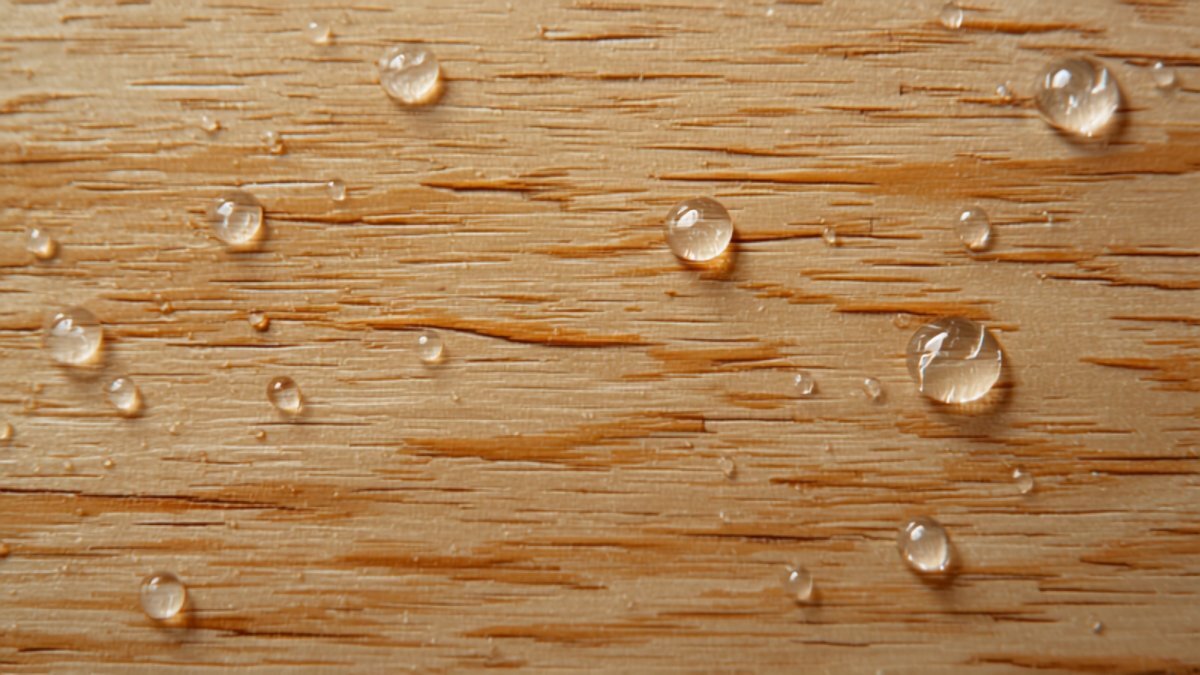
Open a cabinet door in Singapore in the still heat of the afternoon and you sometimes meet it—that faint, swollen stickiness at a hidden edge, the quiet evidence of moisture at work. Our air sits near 90 percent humidity for much of the year, and it tests cabinetry constantly, patiently, in the places you cannot see. Choosing the right cabinet material for Singapore’s humidity is less about the surface you admire and more about the core you never look at.
Cabinetry fails from the inside out. The laminate you choose for its colour is rarely the problem; the board beneath it almost always is. So before comparing finishes, it is worth understanding how each common core behaves when the weather refuses to dry out.
Which cabinet material survives Singapore’s 90% humidity
The honest shortlist is short. For our climate, the core decides everything:
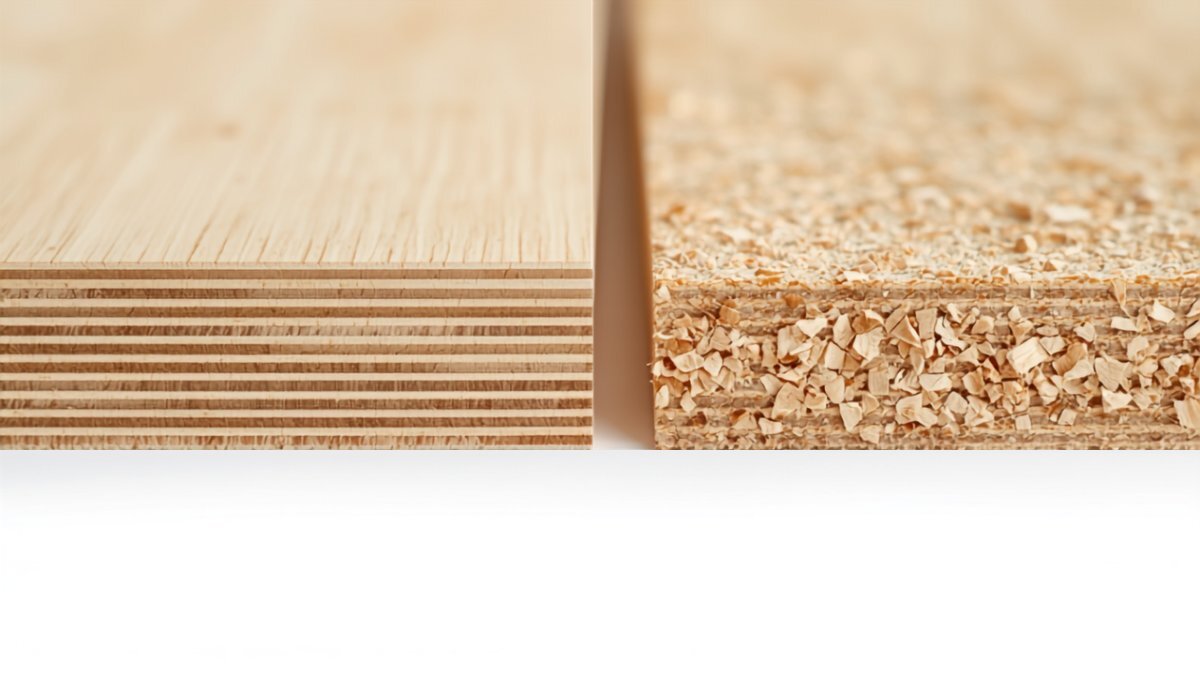
- Plywood. Cross-laminated layers give plywood real dimensional stability and good resistance to moisture. It holds screws well and forgives the occasional splash. For most Singapore homes, a quality plywood carcass is the dependable default.
- Moisture-resistant (HMR) boards. Engineered specifically to slow water absorption, HMR-grade boards perform well in kitchens and around wet zones when properly edged. The phrase that matters is “properly edged”—an unsealed cut is a way in.
- Standard MDF or particleboard. Affordable and smooth, but thirsty. Once water reaches an unprotected core, it swells and does not recover. In our humidity, untreated versions are a false economy.
- Solid timber. Beautiful and long-lived, but it moves with the seasons and carries a premium. Best used with intent, not as a whole-kitchen default.
The detail that actually keeps water out
Material grade is half the answer. Workmanship is the other half. Moisture rarely enters through a flat panel—it enters at the edges, the joints, and the underside of the sink cabinet where few people ever look. A mid-grade board sealed and banded with care will outlast a premium board left raw at the cut.
This is why we hold to low-emission, moisture-resistant cores and full edge-banding across the work that leaves our Senai factory. It is not the part of the kitchen anyone photographs. It is the part that decides whether the kitchen is still sound in ten years.
Choosing well, once
A few questions settle most decisions. Ask your maker to name the board grade, not just the brand of laminate. Ask how the sink-cabinet base is protected. Ask whether every cut edge is sealed. The answers tell you whether you are buying cabinetry built for our weather or merely built for the showroom.
Singapore’s humidity is not going anywhere, and it is unsentimental about shortcuts. Choose a stable core, insist on sealed edges, and spend your finishing budget on the surfaces you will actually touch. Do that, and the climate becomes something your kitchen quietly withstands rather than something it slowly loses to.