

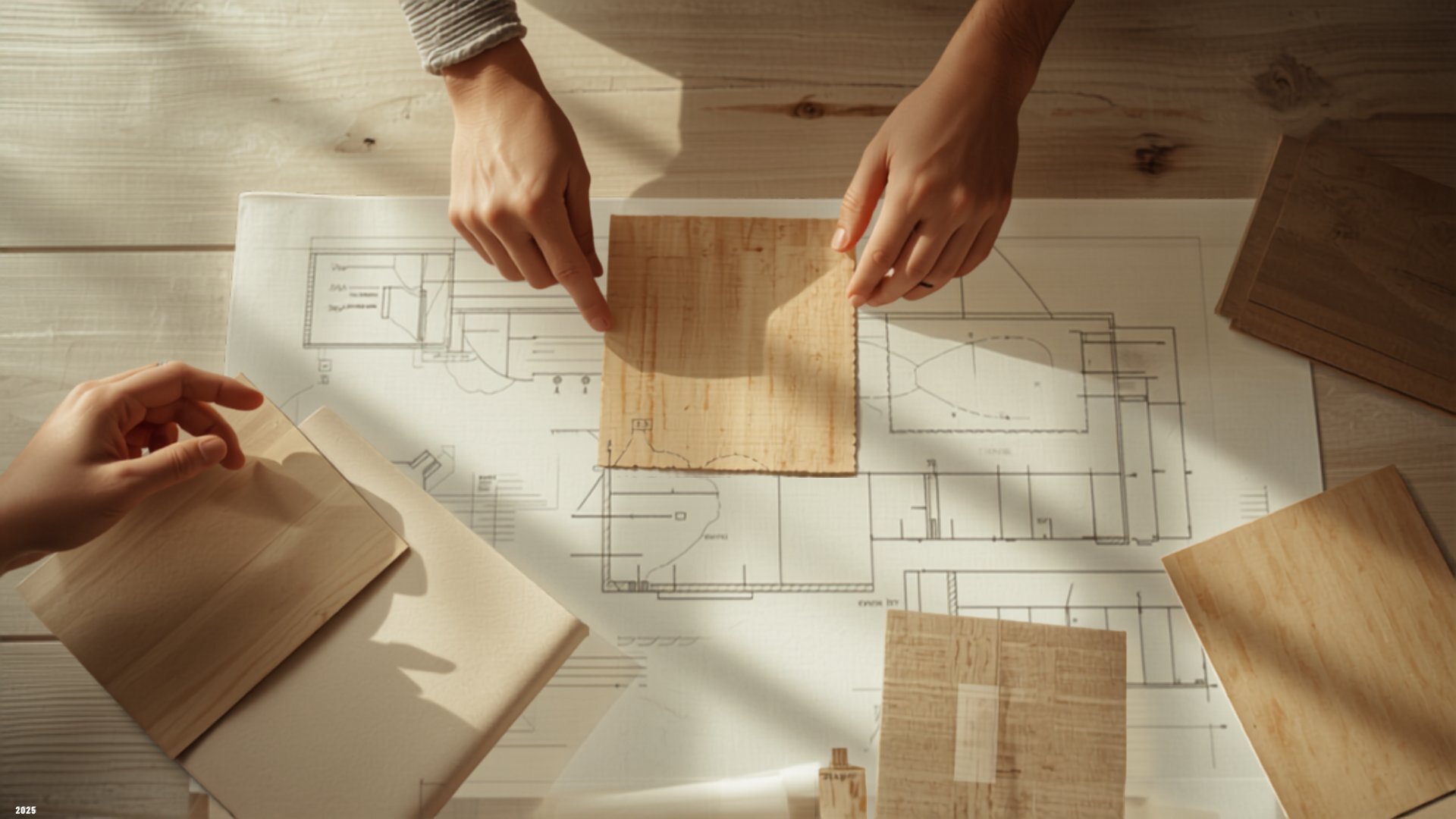
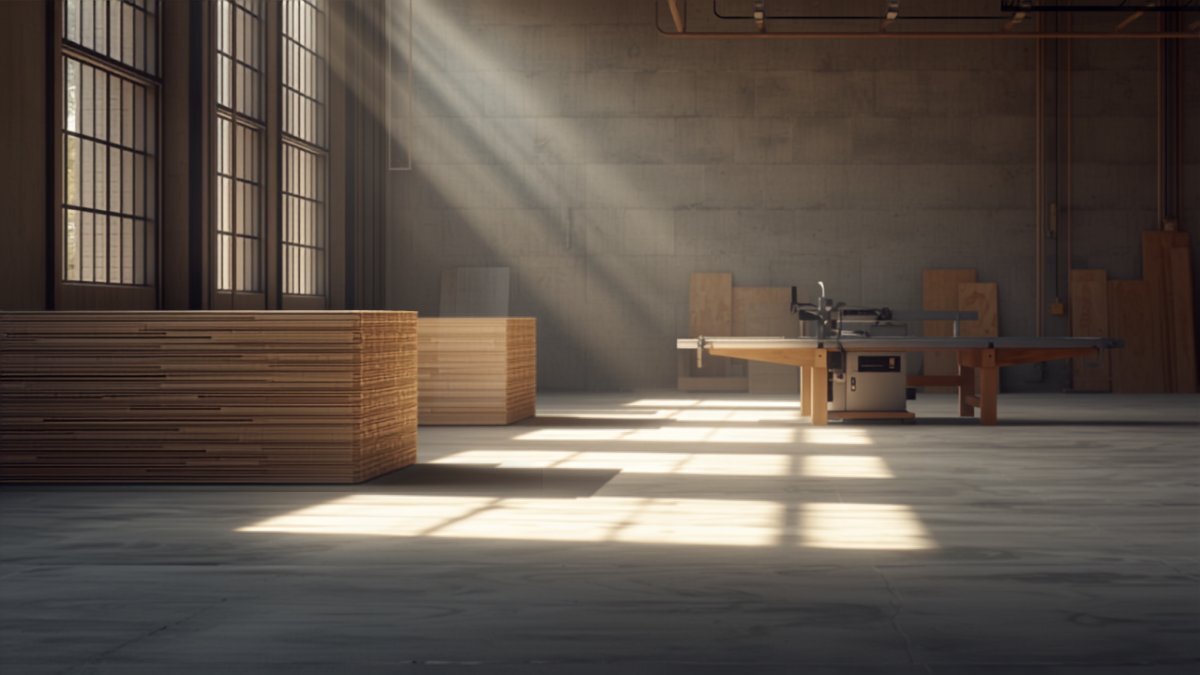
Walk into a carpentry workshop early in the morning, before the machines warm up, and you can read a great deal in the quiet. The smell of cut plywood. Offcuts sorted, not scattered. A bench worn smooth by the same hands for years. Choosing a carpentry trade partner is, in the end, about learning to read these rooms—because the finish that arrives in a client’s home is decided here, long before installation day.
As someone who has sat on the executive committee of our trade for several years, I have watched good partnerships hold and weak ones unravel. The difference is rarely price. It is whether the maker behind the quote is steady, honest about what they can do, and grounded in real craft. Here is what I look for in a carpentry trade partner, written plainly for designers and homeowners who would rather choose well than choose twice.
What a carpentry trade partner should show you before you commit
Ask to see the factory, not just the showroom. A showroom is staged; a factory tells the truth. You want to see how boards are stored (off the floor, away from damp), how edges are banded, how quality is checked between stations rather than only at the end. In Japanese workshops there is a word, shokunin, for the craftsman who takes full responsibility for their work. You can usually tell within ten minutes whether that spirit lives in a place.
Three things matter most at this stage:
- Material honesty. A trustworthy partner will name the board, the laminate brand, and the emission grade without being pushed. If the answer to “what plywood is this” is vague, treat that as the answer.
- Control over the work. Partners who own their production—rather than quietly outsourcing—can stand behind timelines and corrections. Our own pieces are made at our Senai factory, which means a problem can be solved by the people who built it.
- Evidence, not adjectives. Completed homes, references you can call, a warranty in writing. Calm confidence reads differently from sales pressure.
Reading the quote, the timeline, and the temperament
A good quotation is itemised and unhurried. It states materials, hardware brands, finishing method, and what is excluded. A partner who breaks things down is protecting you; one who offers a single round number is protecting themselves. The cheapest line is not a saving if it hides thinner carcasses or unbranded hinges that fail in the third year.
Timelines reveal temperament. Honest makers quote the time the work actually needs and hold to it. Be wary of anyone who promises a kitchen in an impossibly short window—speed in carpentry usually comes out of the finish. And notice how questions are received. The partners worth keeping welcome scrutiny, because their work survives it.
For the trade: a partnership, not a transaction
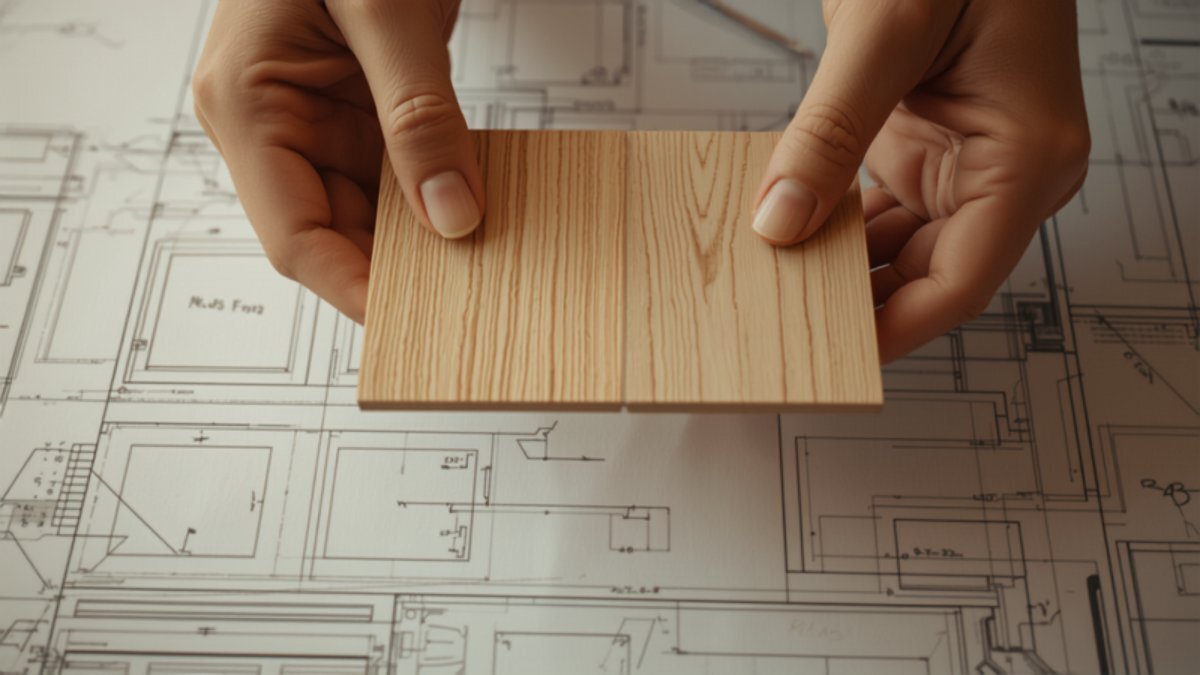
For interior designers, the right carpentry partner becomes an extension of the studio. They protect your client relationship, flag buildability issues early, and never undercut you on the next project. This is the thinking behind the Arimokko designer trade programme—clear trade terms, shared drawings, and a single point of contact who stays with the job from sketch to handover.
The test of a partnership is what happens when something goes wrong, because eventually something will. A grounded partner answers the call, takes the panel back, and remakes it without a quarrel. That is worth far more than the lowest per-foot-run rate on the page.
Choose the maker the way you would choose a long collaborator: for steadiness, for honesty about limits, and for the quiet pride that shows in how they keep their workshop. The cabinetry will follow from there.