
There is a particular quiet that comes from a well-made piece of joinery that has been in place for fifteen years. The grain is settled. The finish has deepened slightly with light and use. The drawer still runs cleanly. Nothing about it asks for replacement, and nothing about replacing it makes environmental or economic sense. That — more than any certification or marketing claim — is what sustainable carpentry actually looks like.
What sustainable carpentry in Singapore actually means
Sustainable carpentry in Singapore is a phrase that appears frequently in renovation marketing. It is also, frequently, underspecified. The term covers a wide range of claims — some meaningful, some less so — and knowing which is which requires some unpacking.
Genuine sustainability in a Singapore carpentry context has several components: the source and certification of the timber or board material, the chemical content of the finishes and adhesives used, the longevity of the finished product, and the environmental footprint of the manufacturing process. Each of these matters. None of them, in isolation, tells the full story.
FSC timber — what it means in practice
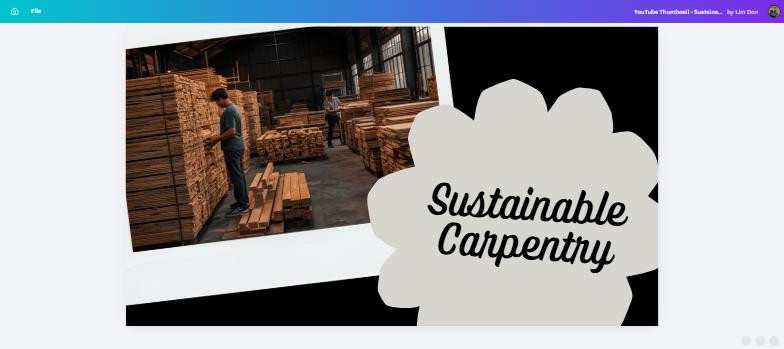
FSC certification — the Forest Stewardship Council's standard for responsibly managed forestry — is the most widely recognised sustainability credential for timber and timber products. FSC Chain of Custody certification traces the timber from a managed forest through processing to the finished product, providing assurance that the wood was not sourced from illegal logging or uncertified operations.
In the Singapore market, FSC-certified timber is available but commands a price premium and requires deliberate sourcing. Not all carpentry makers actively seek it. A maker who can provide FSC documentation on request — rather than making a general claim about sustainability — is demonstrating that they have actively managed the supply chain rather than simply applying a label.
Practically, FSC timber in Singapore carpentry context most commonly appears in solid timber used for visible surfaces — door faces, drawer fronts, countertop edges — and in structural components where timber species selection matters. For sheet goods, the relevant standard shifts.
E1 certification and what it means for indoor air quality
The majority of cabinetry in Singapore is constructed from engineered board — MDF, particle board, or plywood — rather than solid timber. These boards are manufactured using adhesives that contain formaldehyde, a volatile organic compound that off-gasses from the finished product over time.
The E1 standard is the European classification for acceptable formaldehyde emission rates in wood-based panels — specifically, panels emitting no more than 0.1 parts per million. Boards meeting this standard are considered safe for interior use in enclosed rooms including bedrooms and children's spaces.
E0 and CARB Phase 2 certifications represent even lower emission levels and are the appropriate standard for clients who are particularly sensitive to indoor air quality — those with respiratory conditions, young children, or simply a preference for the cleanest possible indoor environment.
Any reputable carpentry maker in Singapore should be able to confirm the emission certification of the boards they use and provide documentation. A maker who is uncertain or evasive on this point is worth treating with caution.
Low-VOC finishes
Beyond the board itself, the finish — whether lacquer, paint, oil, or wax — contributes its own chemical load to the indoor environment during and after application. Traditional solvent-based lacquers and paints have relatively high VOC content, most of which off-gasses in the first weeks after application but can linger in poorly ventilated spaces.
Water-based lacquers and paints have significantly lower VOC content. They have improved substantially in quality over the past decade and now represent a viable alternative to solvent-based finishes in most applications. Natural oil and wax finishes — applied to solid timber rather than board — are among the lowest VOC options available and are the finish of choice for clients prioritising indoor air quality.
The trade-off is practical: water-based and natural finishes typically require more care in maintenance than hard lacquers, and some are not appropriate for high-wear surfaces like kitchen countertops. The right finish depends on the application and the client's maintenance preferences, not just the environmental profile.
Longevity as the primary sustainability metric
In a market where renovation cycles run to eight to twelve years — and sometimes considerably shorter — the most significant sustainability variable in carpentry is simply whether the joinery lasts. Cabinetry that needs to be replaced after ten years, whatever its initial certifications, has a considerably worse environmental footprint than cabinetry that runs for twenty-five.
Longevity in carpentry comes from several sources: the quality of the board and timber, the construction method (dovetail joints outlast cam fittings; solid timber edges outlast iron-on banding), the quality of the hardware, and the quality of the finish. It also comes from design that does not date rapidly — cabinetry designed to a specific trend that feels dated in six years will be replaced sooner than timeless work that ages gracefully.
Arimokko's manufacturing base in Senai, Johor, offers a structural advantage for longevity: the factory floor is a short enough distance from Singapore installation sites that on-site adjustments, repairs, and warranty work are manageable at a reasonable cost. Joinery that can be repaired when it needs it lasts longer than joinery sourced from a manufacturer with no practical after-sales presence.
Local manufacturing and its environmental footprint
The environmental footprint of cabinetry is not limited to the material content. Shipping distance matters. Cabinetry manufactured in Europe or China and shipped to Singapore carries a significant freight footprint that locally produced alternatives do not. Senai-manufactured joinery arrives in Singapore by road — a meaningfully shorter supply chain than intercontinental shipping.
Local manufacturing also allows for tighter quality control, less packaging damage, and more responsive supply chain adjustments — all of which reduce waste in the production and delivery process.
What to look for, in plain terms
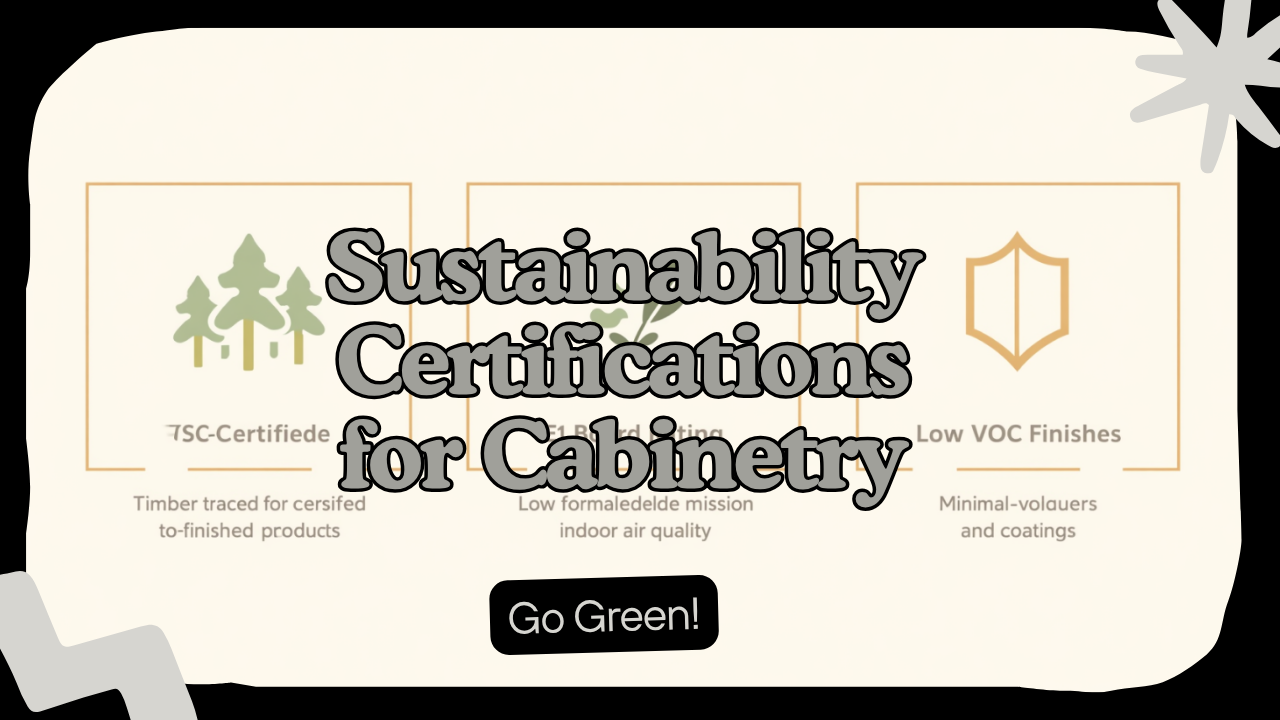
When evaluating a Singapore carpentry maker on sustainability grounds, look for: E1 or better board certification with documentation available; FSC timber sourcing for solid wood components; water-based or natural finish options; a clear description of construction methods and expected product lifespan; and a local or regional manufacturing base with a credible after-sales capability. A maker who can address all of these points clearly and specifically is more likely to be building sustainably than one whose sustainability claims rest primarily on marketing language.