
The smallest room in the flat can be a study, a guest room, and a quiet corner — if the bed knows when to leave.
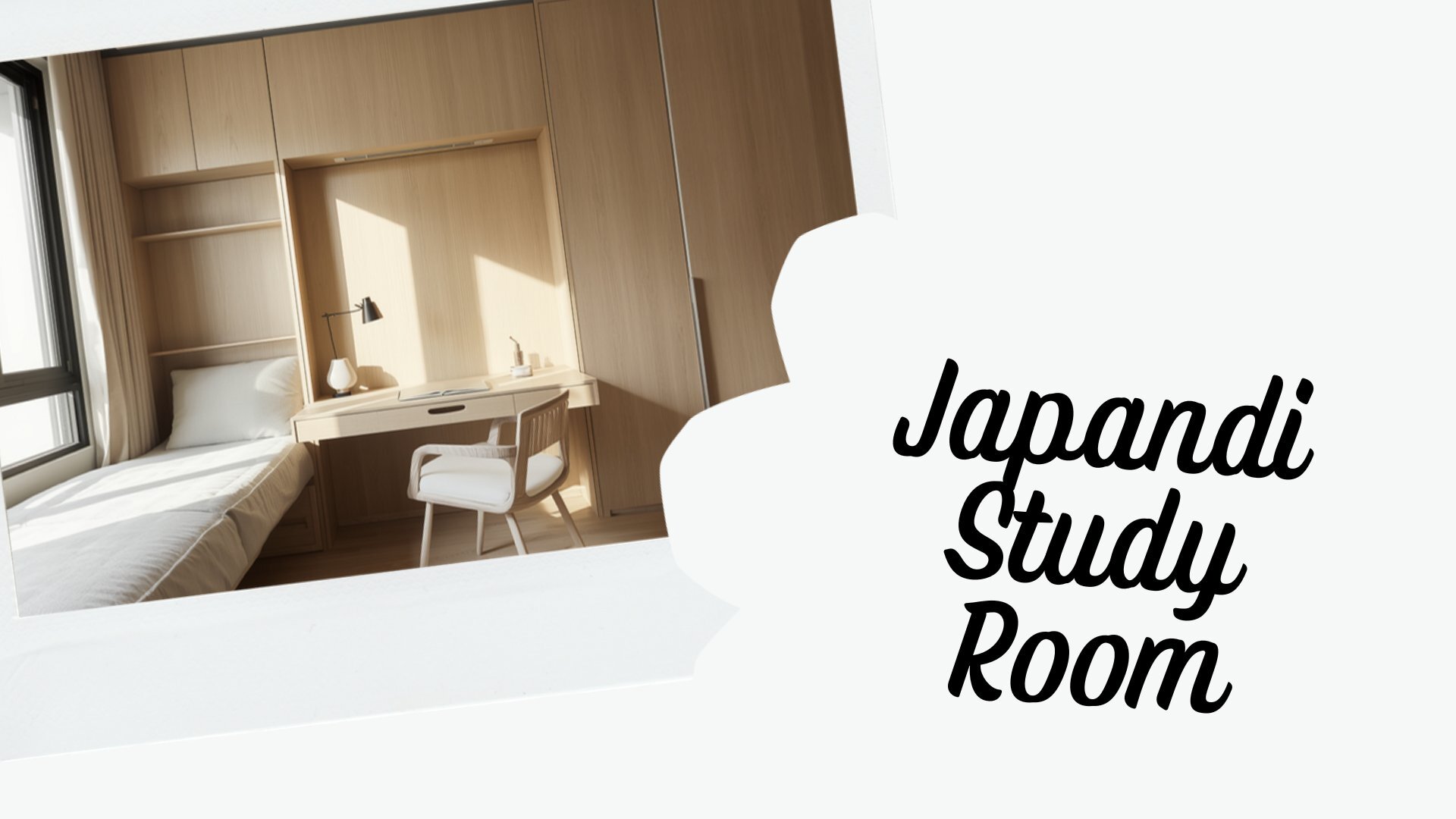
At ten at night, the study in a Tampines four-room flat changes its mind. A panel of light oak swings down from the wall, slow on its pistons, and lands without a sound where the desk chair stood a minute ago. By morning it will be a wall again. This is the Murphy bed, and in Singapore — where the spare room is asked to be three rooms at once — it has quietly become the most useful piece of joinery in the home.
Why Murphy beds in Singapore make sense now
The arithmetic of the Singapore flat has tightened. The fourth room hosts a parent some weekends and a work desk every weekday. The BTO couple wants a guest room but needs a study. The arithmetic only resolves if one piece of furniture can stop existing for sixteen hours a day.
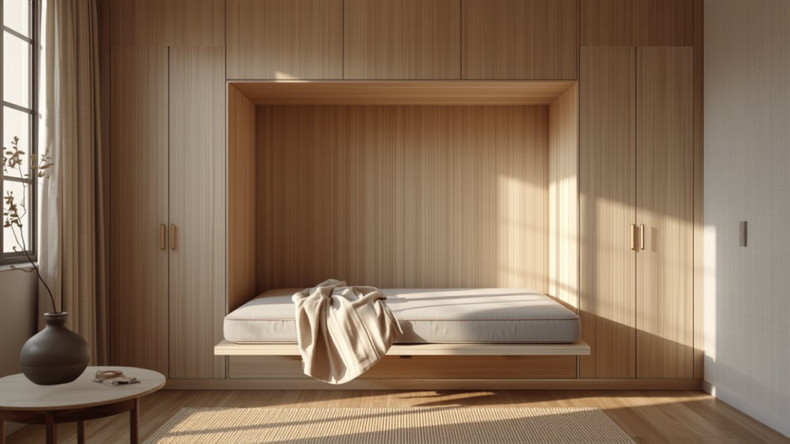
A wall bed answers it without compromise on either side. A real mattress — not a sofa-bed's folded apology — stored vertically inside a cabinet that reads as wardrobe. A desk that stays a desk. A room that is honestly both.
The Japandi treatment — a bed that reads as a wall
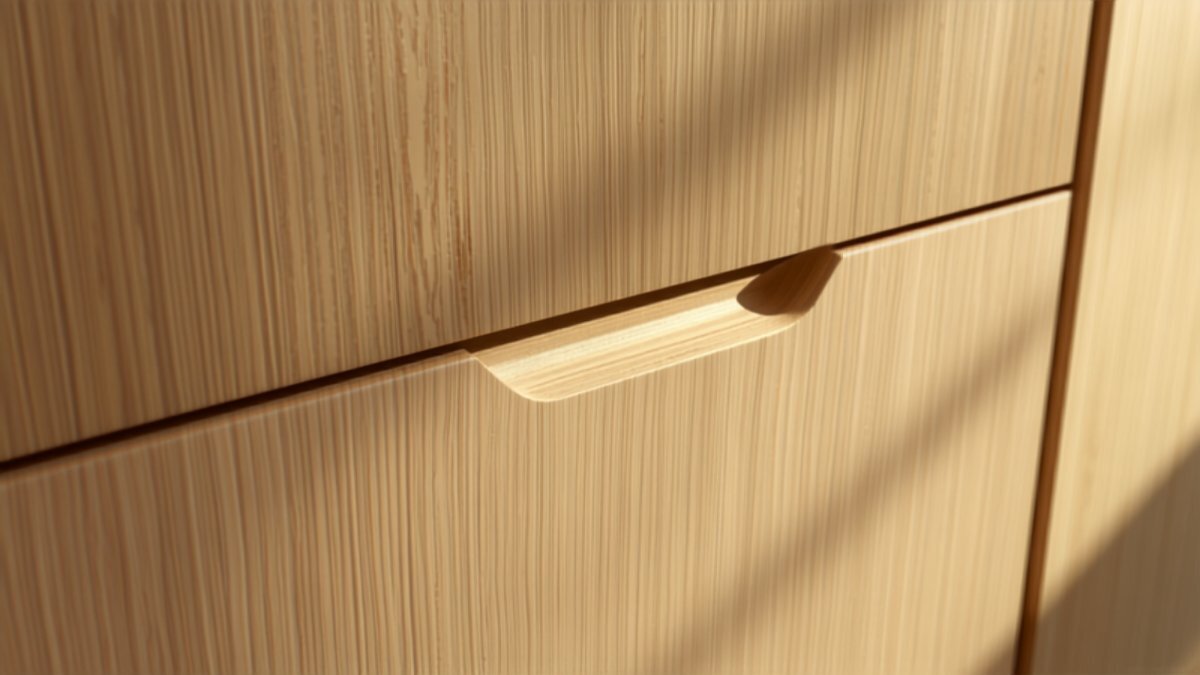
The Murphy bed's old reputation was mechanical — a contraption, visibly a bed standing on end. The Japandi approach hides the mechanism inside the room's own language. The bed front carries the same vertical-grain, handleless face as the joinery around it. Closed, the room shows one calm run of cabinetry from corner to corner. There is no visual announcement that a bed lives here.
Done well, the bed cabinet is flanked by real storage — shelving, a shallow wardrobe, a desk return — so the wall works all day and not just at night.
What decides a good wall bed
The mechanism. Gas pistons or torsion springs, rated for the mattress weight, with a lifespan in cycles rather than promises. This is the component to interrogate. A good mechanism lowers with two fingers and rises without a shove.
The fixing. A wall bed transfers real load into the wall and floor. In an HDB flat that means knowing which walls are structural, which are partition, and anchoring accordingly. This is carpentry and engineering together, and it is not a DIY weekend.
The mattress. Vertical storage suits a foam or hybrid mattress in the 20 to 25cm range. Heavier spring mattresses strain the mechanism and the morning.
The clearance. A queen bed needs roughly 2.2 metres of floor when open. Measure with the door swing and the desk in mind, and be honest about what the room can give.
The room around the bed
The wall bed earns its keep when the joinery around it is planned as one piece. A desk that does not need clearing before the bed comes down. Reading lights and power built into the cabinet, so the guest is not hunting for a socket at midnight. Storage above and beside, in the same quiet grain, sized to the linen the bed will need. The bed is one decision; the wall is the design.
Where Arimokko fits
Arimokko builds folding wall beds into bespoke joinery walls — mechanism, cabinetry, and installation as one responsibility, in the same E1-grade board and Japandi finishes as the rest of the home. The surrounding storage can come from our Shuno modular range where the budget prefers it. Everything is made in our own Senai factory and installed by our own team, because a bed that comes out of a wall should be fitted by the people who built the wall.
The honest caveat
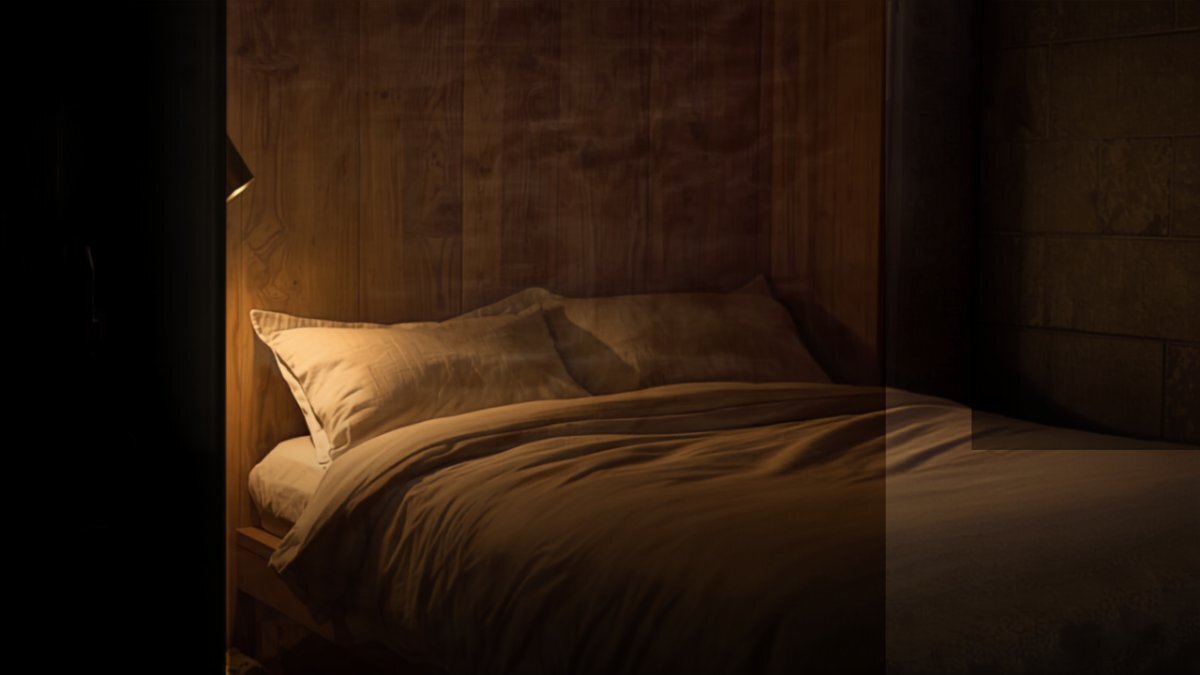
A Murphy bed used every single night is a bed with a daily chore attached. It shines in the dual-use room — the study that hosts, the guest room that works. If the room is simply a bedroom, buy a bedframe and spend the difference on the wardrobe.
Begin a quiet conversation.
Visit our Aperia design office, by appointment. 12 Kallang Avenue, #03-07, Aperia Mall.
WhatsApp +65 8821 1455.