
Japandi kitchen cabinets in Malaysia, seen in five real homes
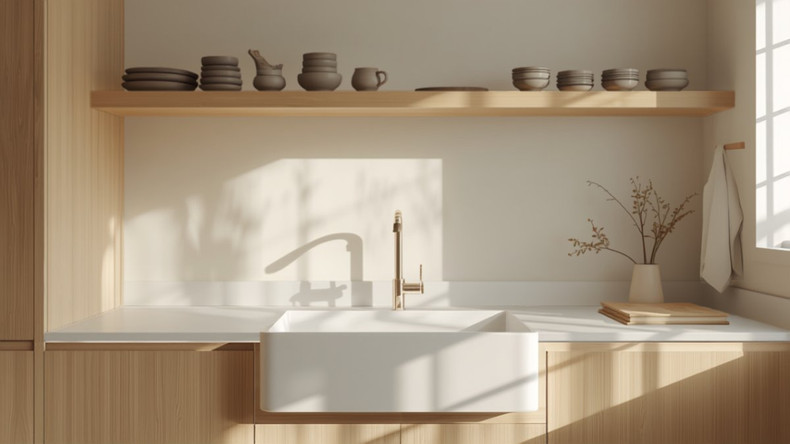
Morning light comes slowly into a Malaysian kitchen. It moves across a pale oak door, settles on a stone worktop still cool from the night, and finds nothing it needs to apologise for. This is the feeling people are after when they ask us for Japandi kitchen cabinets in Malaysia: not a style they have to keep up with, but a room that stays quiet while the day gets loud. Across Kuala Lumpur, Johor, and Penang, we have watched the same idea take root in very different homes. Here are five of them.
Japandi is the meeting of two patient traditions, Japanese restraint and Scandinavian warmth, and a kitchen is where the two are tested hardest. Heat, humidity, oil, water, the daily clatter of a family being fed. A Japandi kitchen does not hide from any of that. It absorbs it, softly, and asks for very little in return.
What makes a kitchen cabinet truly Japandi in a Malaysian home
Before the homes, the principles, because they explain every choice that follows. Japandi kitchen cabinets in Malaysia tend to share four things. Handleless or slim-grip fronts, so the eye meets an unbroken plane rather than a row of hardware. Warm, light timber tones, oak and ash most often, grounded by a darker stone or a muted clay. Honest materials that wear gracefully in our climate, chosen for how they age rather than how they photograph on day one. And a sense of shibui, the Japanese word for a beauty that is understated and deepens with time. None of it shouts. All of it lasts.
1. A terrace house in Petaling Jaya
The owners had renovated once before and lived to regret the gloss. This time they wanted calm. We worked in a pale oak veneer with a soft matte seal, handleless throughout, and a single run of full-height storage that swallows the small appliances most kitchens leave on the counter. The island top is a honed quartz in a colour close to wet sand. Nothing reflects. In the late afternoon, when the PJ heat sits heavy outside, the kitchen reads as the coolest room in the house, even before the air conditioning is on.
2. A condominium in Mont Kiara, Kuala Lumpur
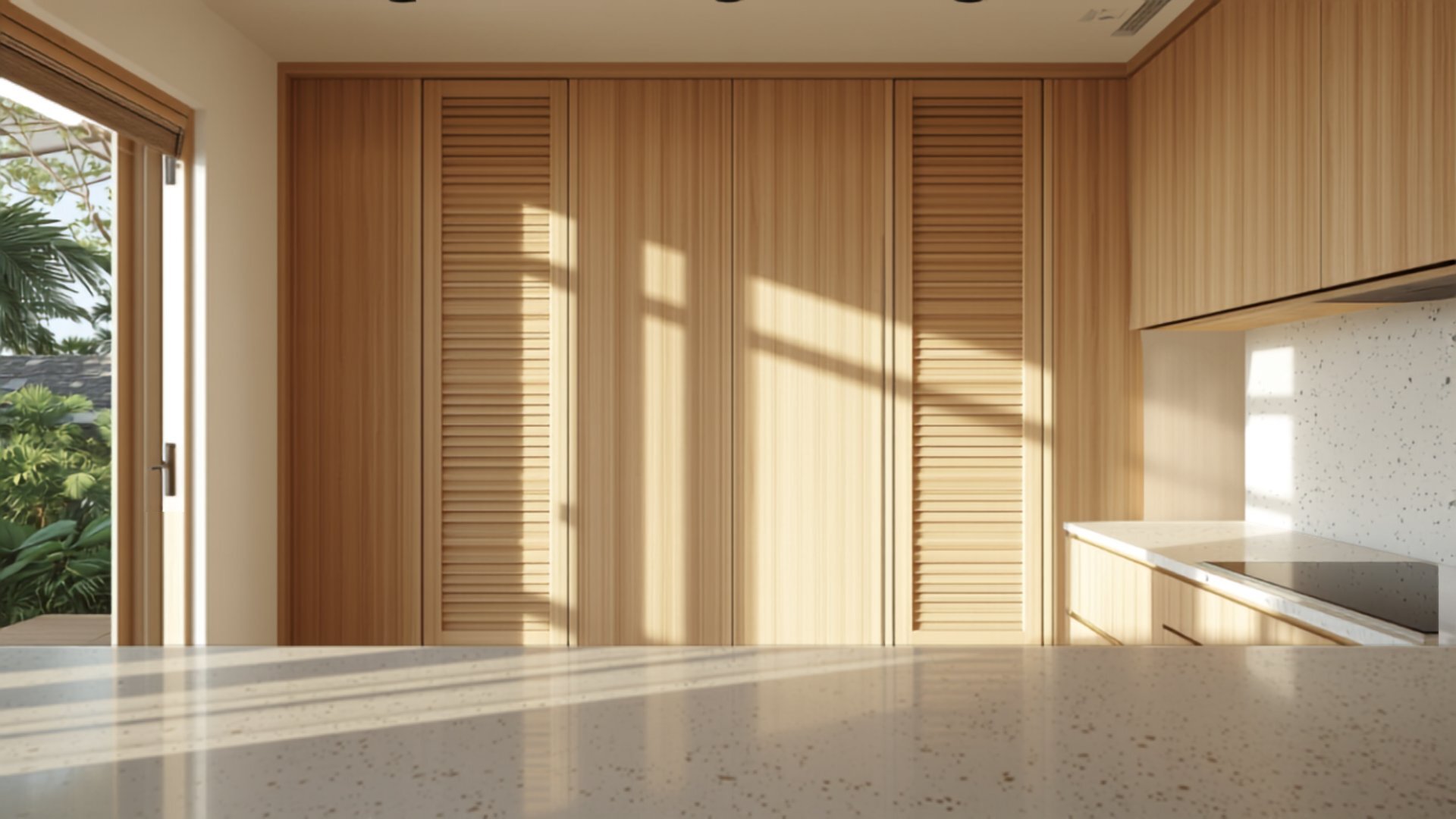
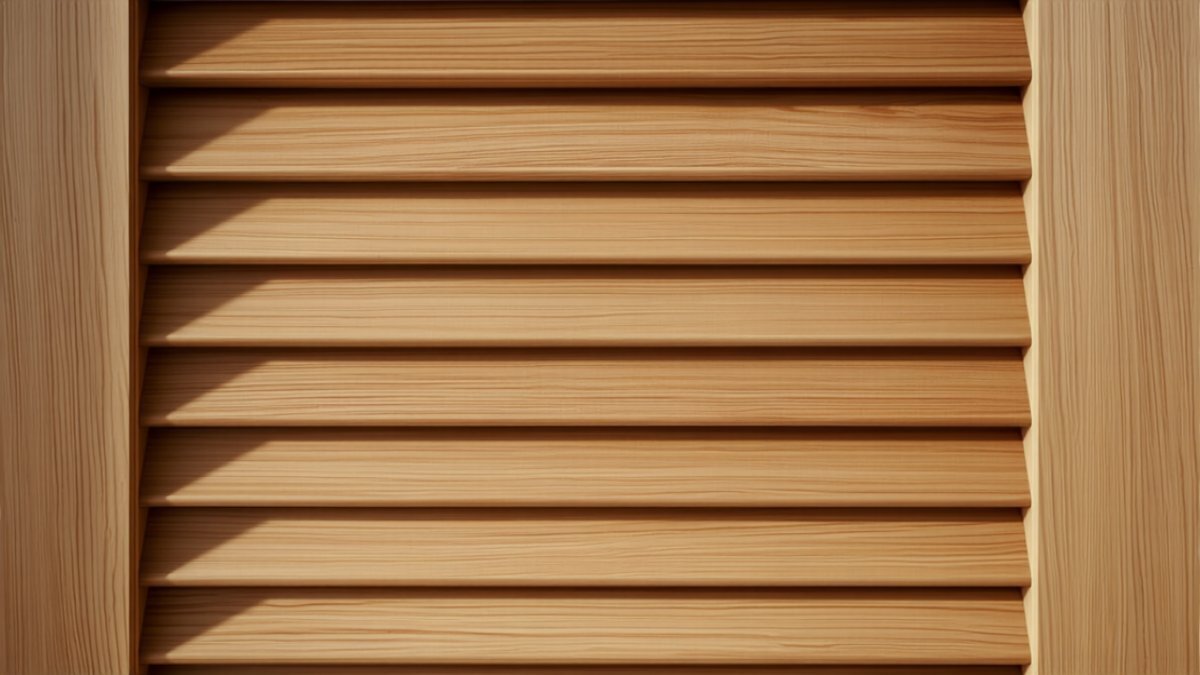
High floor, long windows, and a galley footprint that gave us almost no room for error. The Japandi answer here was discipline. Two tones only: a warm ash on the wall units and a clay-grey on the base, so the upper cabinets seem to lift and the kitchen feels taller than its square metres. We built the cabinetry as part of our Mokko Kitchen line, with soft-close everything and a tall pantry that hides the microwave behind a tambour door. The owner cooks every night. The kitchen never looks like it.
3. A semi-detached home in Johor Bahru
Made an hour from this kitchen, in our Senai workshop, and it shows in the fit. The family wanted a space that could host without performing. We gave them an open layout with a generous oak island, a dry zone in lighter timber, and a wet zone faced in a deeper grain to forgive the daily splash. The grain runs continuously across the drawer fronts, a small thing that takes patience to align and that you feel more than notice. Cross the causeway, walk in, and the room simply settles you.
4. An apartment in George Town, Penang
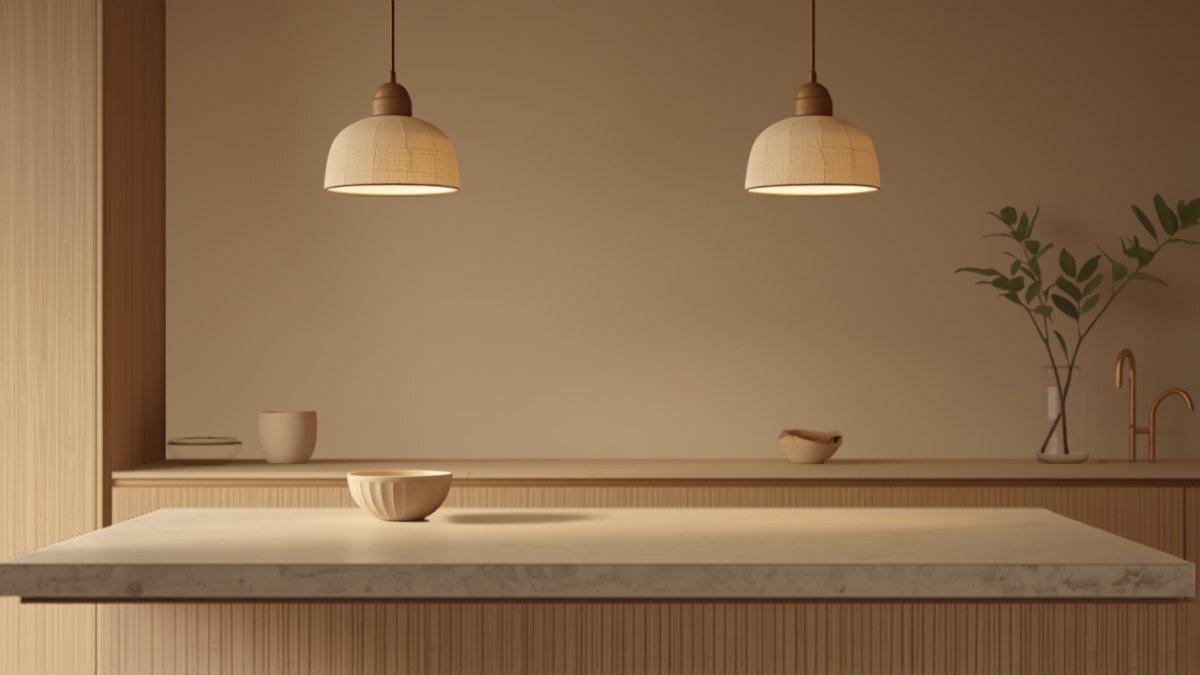
A younger building, but the owners carried the city's heritage instinct in with them, a respect for craft and for things made to stay. We leaned into texture: a fluted timber detail on the island face, brushed rather than polished, with worktops in a pale stone that catches Penang's coastal light without glaring. Storage is deep and quiet. The handleless fronts keep the long wall reading as a single calm surface, which is exactly what a small home in a busy island city needs.
5. A bungalow in Iskandar Puteri
The largest of the five, and the one most at risk of looking like a showroom. Restraint saved it. We used one timber tone across a long kitchen, broke it only with a charcoal larder, and let the worktop do the talking in a warm, matte stone. The owners told us afterwards that guests keep asking what is different about the room, and cannot name it. That is usually the sign a Japandi kitchen has done its work. You feel the quiet before you understand it.
Built for the climate, not just the camera
Five homes, one through-line. Every kitchen here was specified for Malaysian conditions first, with moisture-stable boards, low-emission cores, and finishes that hold up to 90 percent humidity and a lifetime of cooking. The Japandi look is the easy part. Making it survive a tropical kitchen, year after year, is the craft we have spent twenty-seven years learning.
If you are weighing Japandi kitchen cabinets for your own home in KL, Johor, or Penang, we would be glad to walk you through what it takes, honestly, including what it costs and where it is worth spending. A short conversation is often enough to know whether the language fits your home.
Don Lim, Founder, Arimokko