
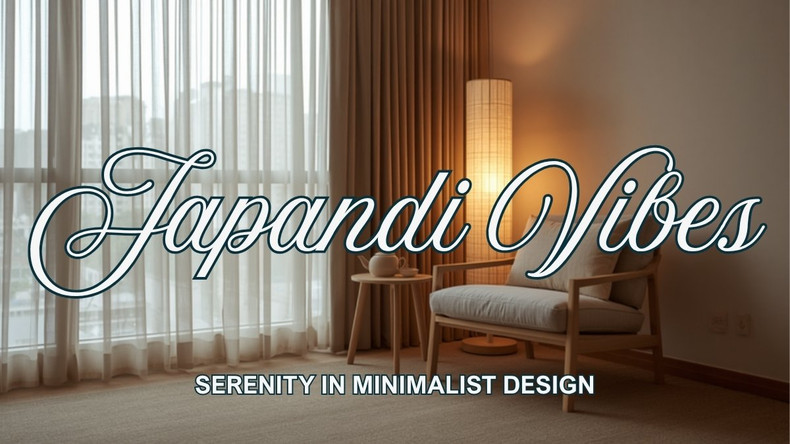
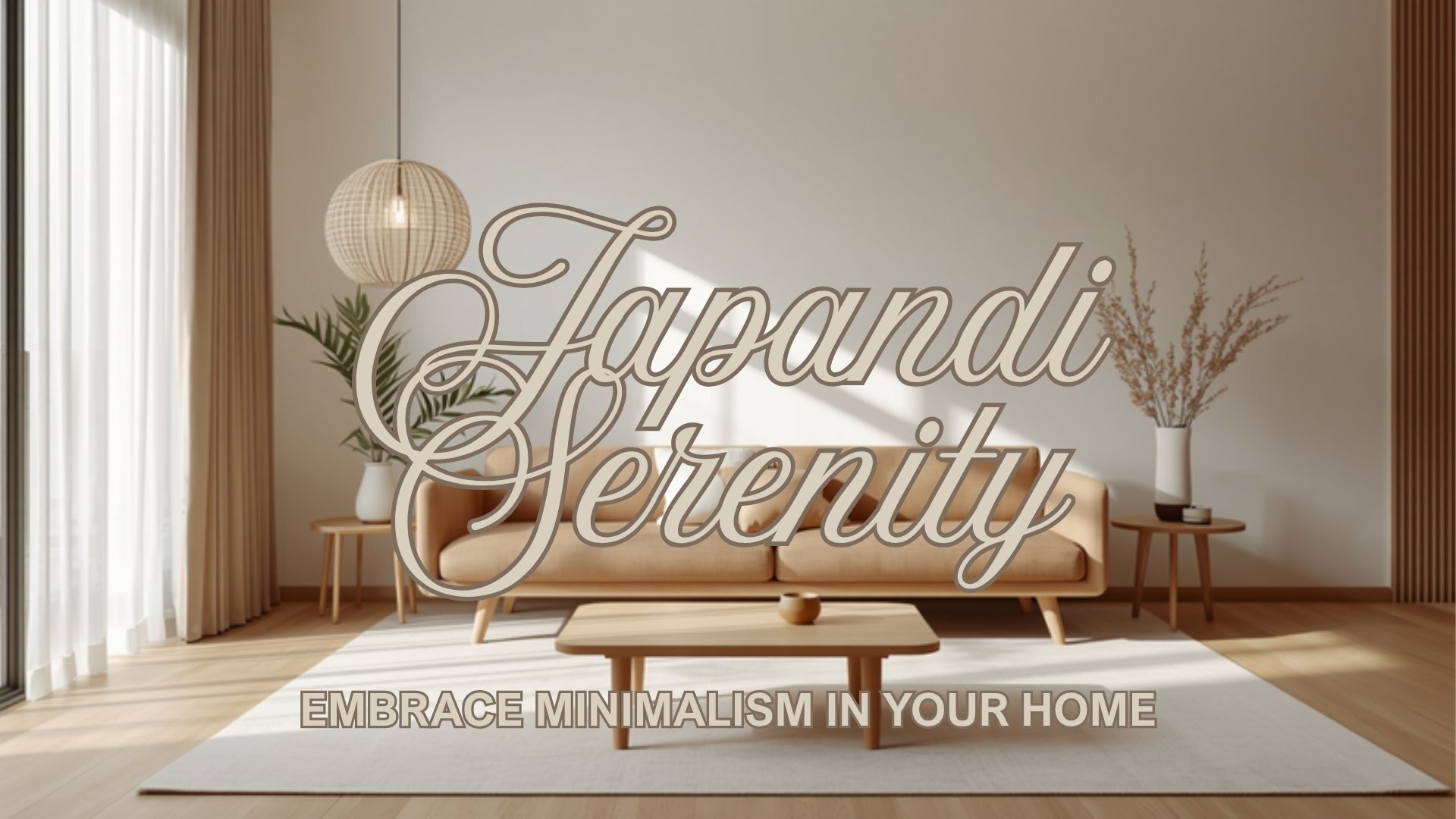
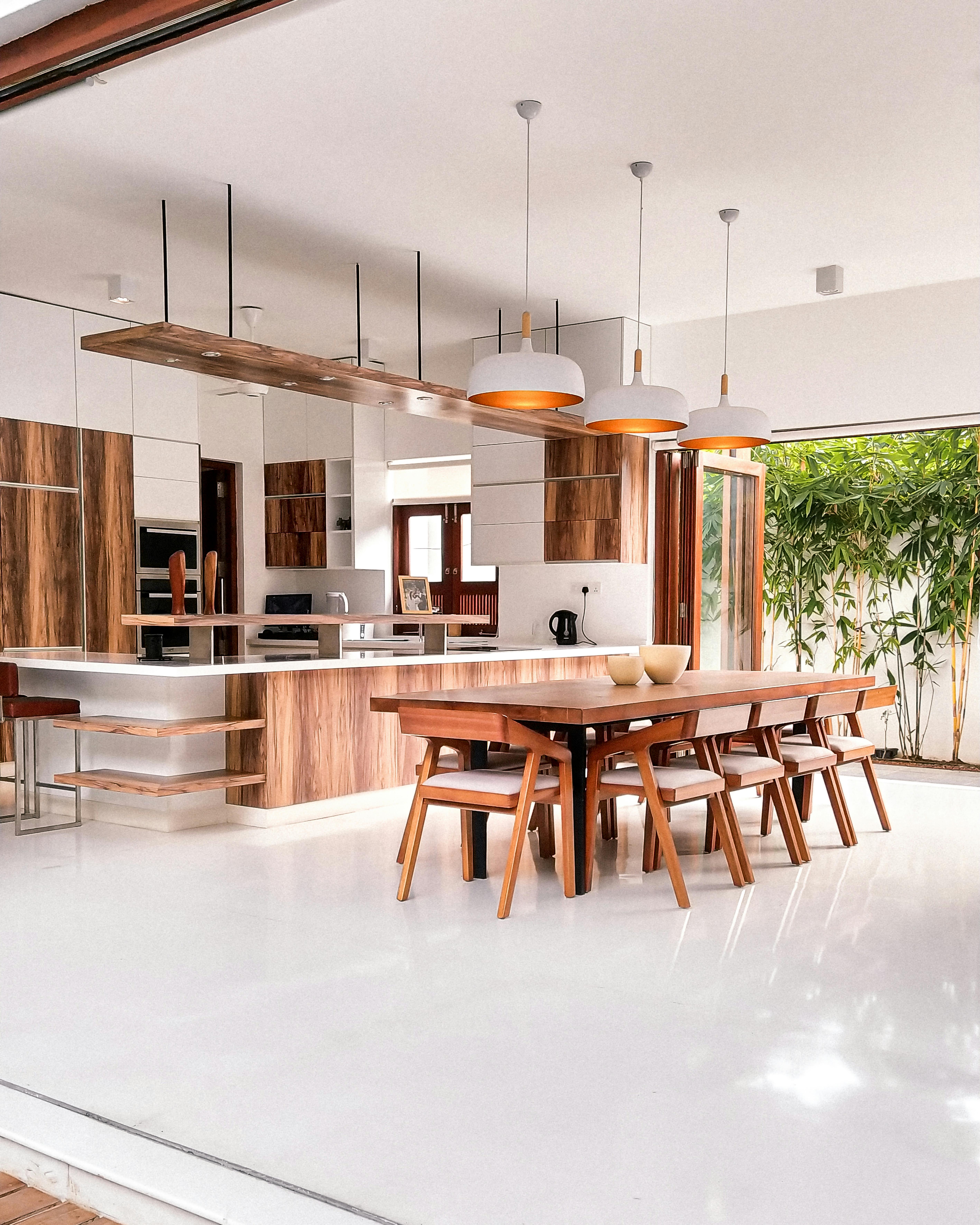
There is a quality of light that Singapore living rooms know well — late afternoon, filtered through sheer curtains, settling on a timber floor that has held the day's warmth. Japandi interior design in Singapore begins here, in that quiet moment, not in a mood board. It is a way of arranging a home so the eye can rest, the hand can reach, and the air can move. Half Japanese restraint, half Scandinavian warmth. In our climate, it asks to be adapted, not imitated. This guide is for homeowners considering the language for a 2026 renovation, and wondering whether it will hold up beyond the photograph.
What Japandi interior design in Singapore actually means
Japandi is not a colour palette and not a furniture style. It is a posture. Japanese design contributes restraint, natural materials, and the discipline of leaving things unfinished — what is sometimes called ma, the considered space between objects. Scandinavian design contributes warmth, light woods, soft textiles, and an honesty about how a home is used in daily life. Read together, they produce rooms that feel grounded without feeling austere, and warm without feeling decorated.
In Singapore, the language has to earn its place against three local realities: 90% humidity, compact HDB and BTO footprints, and the strong afternoon sun. Japandi handles all three well, provided the materials and the cabinetry are chosen with the climate in mind rather than the catalogue.
The five quiet attributes
When we walk a client through a Japandi-fluent home, five attributes show up repeatedly. They are useful to hold in mind before you commit to finishes or furniture.
Light, honest wood. Oak, ash, and engineered timbers in pale to mid tones. Grain is visible, not glazed over. The wood is allowed to age. In Singapore, the engineered substrate matters as much as the veneer — a beautiful oak face means little if the core swells in our humidity.
Handleless cabinetry. A Japandi kitchen is read first as a plane, not as a row of hardware. Push-to-open mechanisms or recessed J-pulls keep the visual line uninterrupted. The room feels calmer for it.
Restrained palette. Off-white, warm grey, sand, charcoal, and a single grounding accent — often a deep green or a soft black. Three to four colours total, including the wood tone.
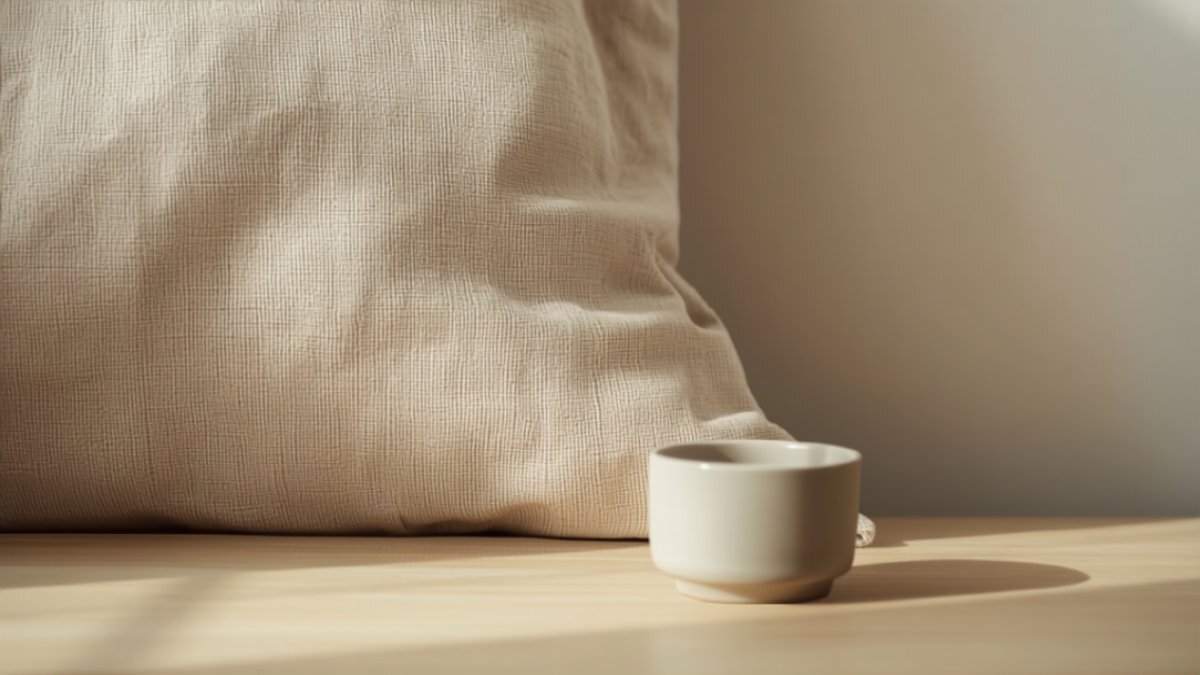
Honest materials at touch points. Stone where stone belongs. Linen where linen belongs. No applied finishes pretending to be something else. This is where Japandi separates itself from the merely beige.
Negative space, treated as a material. The empty wall is part of the design. The clear countertop is part of the design. Storage exists to make this possible — a Japandi home is not less full, it is better hidden.
How it lives in an HDB or a BTO
Most of the Japandi homes we build sit in 90 to 110 square metres. That is a working family flat, not a magazine spread. Three design decisions tend to do the heavy lifting in this footprint.
First, full-height cabinetry along the longest available wall. This consolidates storage and leaves the rest of the home visually quiet. In Mokko Kitchen, our kitchen sub-brand, the upper cabinets often run to the ceiling so the eye is not interrupted by a soffit shadow.
Second, one shared timber tone across kitchen, wardrobe, and TV console. Matching the wood across rooms is the single most powerful move available in a small flat. It dissolves the boundary between spaces and the home reads larger.
Third, lighting that is warm and layered. 2700K to 3000K, never cooler. Overhead lighting kept low, with task and accent lights doing most of the evening work. Japandi rooms come alive after sunset, when the timber takes on a deeper warmth.
Materials that survive Singapore
This is where many Japandi projects in our region quietly fail. The aesthetic is forgiving. The climate is not. A few practical notes from the workshop floor.
Plywood cores outperform particleboard and MDF in our humidity, especially in kitchens and bathrooms. The cost difference is real, but so is the lifespan. For exposed surfaces, melamine has come a long way and now offers convincing matt timber finishes that resist fingerprints better than real veneer in a family home. Where a true veneer is used, specify a moisture-resistant substrate and a proper edge seal.
Formaldehyde emissions matter for the air your family breathes. We build to E1 or better as a default, and we are happy to walk any client through what the certification actually tests. A Japandi home is meant to feel restorative; the air inside it should match.
The trade-offs to know
Japandi is not the right language for every home, and a good designer will tell you so. If your collection of objects is the point of the room — books, art, ceramics, instruments — a more expressive style may serve you better. Japandi rewards editing. It asks the homeowner to hold a little less, visibly, in exchange for a room that breathes.
It also rewards patience in the build. Handleless cabinetry, flush reveals, and matched wood tones are unforgiving of millimetre errors. This is craftsmanship work, and it is priced accordingly. A Japandi kitchen built by a generalist contractor will look almost right, which in this language reads as wrong.
A starting point, not a finish line
If you are drawn to Japandi interior design in Singapore, the most useful first step is not to choose a wood tone or a designer. It is to spend a week noticing which rooms in your current home you actually enjoy sitting in, and why. Japandi tends to confirm what calm-seeking homeowners already half-know about themselves. The language is just a way of naming it.
When you are ready to talk through your own flat, we will walk it with you — slowly, with measurements, and with no obligation to build with us at the end of that conversation.
kk Lim is the founder of Arimokko, a bespoke carpentry house serving Singapore and Malaysia from its Senai, Johor workshop. The studio's Japandi work spans HDB, condominium, and landed homes, with Mokko Kitchen as its dedicated kitchen sub-brand.