


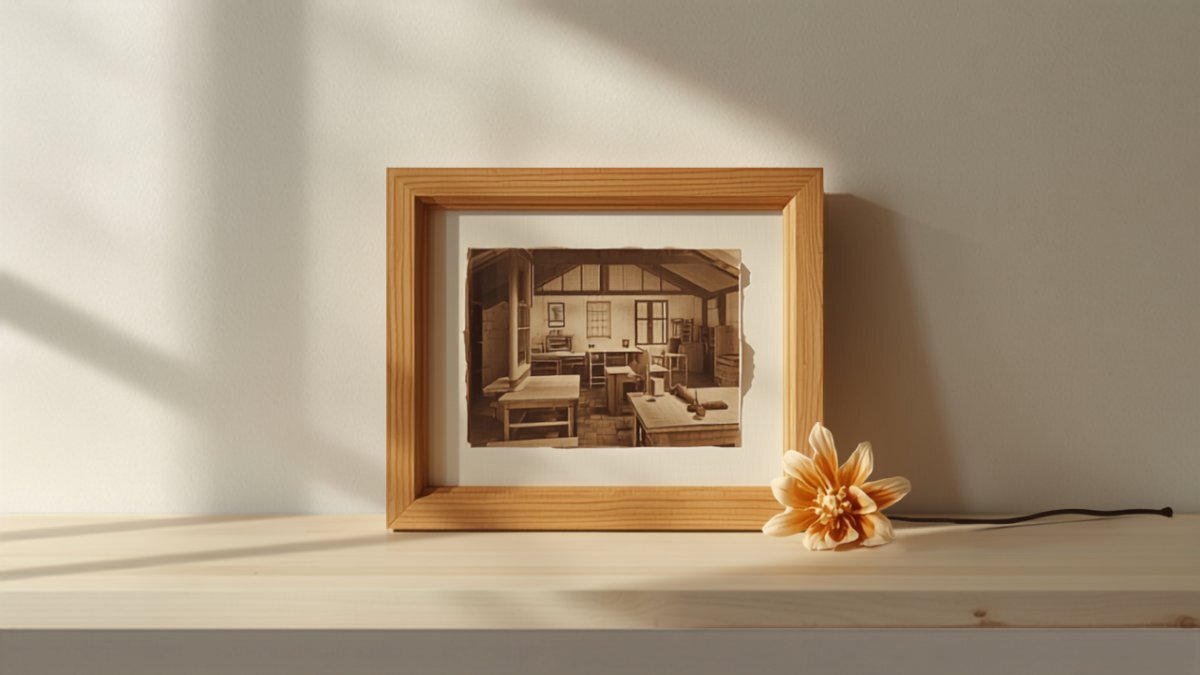
There is a workshop in Senai where the first cut of the morning smells of sawdust and cold coffee, and the light comes in low across the benches before anyone has said a word.
I have spent most of my working life in rooms like that. I am Don Lim, and Arimokko is the name I finally gave to something I started building long before I understood what it was. This is a personal letter, so let me write it plainly, the way I would if you were standing at that bench with me.
How Don Lim and Arimokko began, in 1999
In 1999 I opened a small carpentry business called Urban Deco. I was young, the market wanted gloss and drama, and I gave it to them — dark timber, heavy detailing, a lot of statement. We were good at it. But over the years I noticed that the homes I kept thinking about, long after we handed over the keys, were never the loudest ones. They were the quiet ones.
Twenty-seven years is a long time to watch your own taste change. Three generations of my family have now stood at these benches — in Singapore and in Senai, Johor — and somewhere along the way I stopped wanting to fill a room and started wanting to settle it.
The carpenter ant
The name carries the whole idea, if you know where to look.
Ari is the ant. Mokko is the woodworker. Together they name the carpenter ant — a creature that carves out space to live in without eating the wood. It works with the grain, never against it. It takes only what it needs, and leaves the timber standing.
That is the closest thing I have to a philosophy. For most of my career I did the opposite — I imposed on the material, made it do dramatic things, asked it to perform. Now I would rather listen to a board than override it. Follow the grain. Take out what the room does not need. Leave what is standing, standing.
It sounds simple. It took me the better part of three decades to mean it.
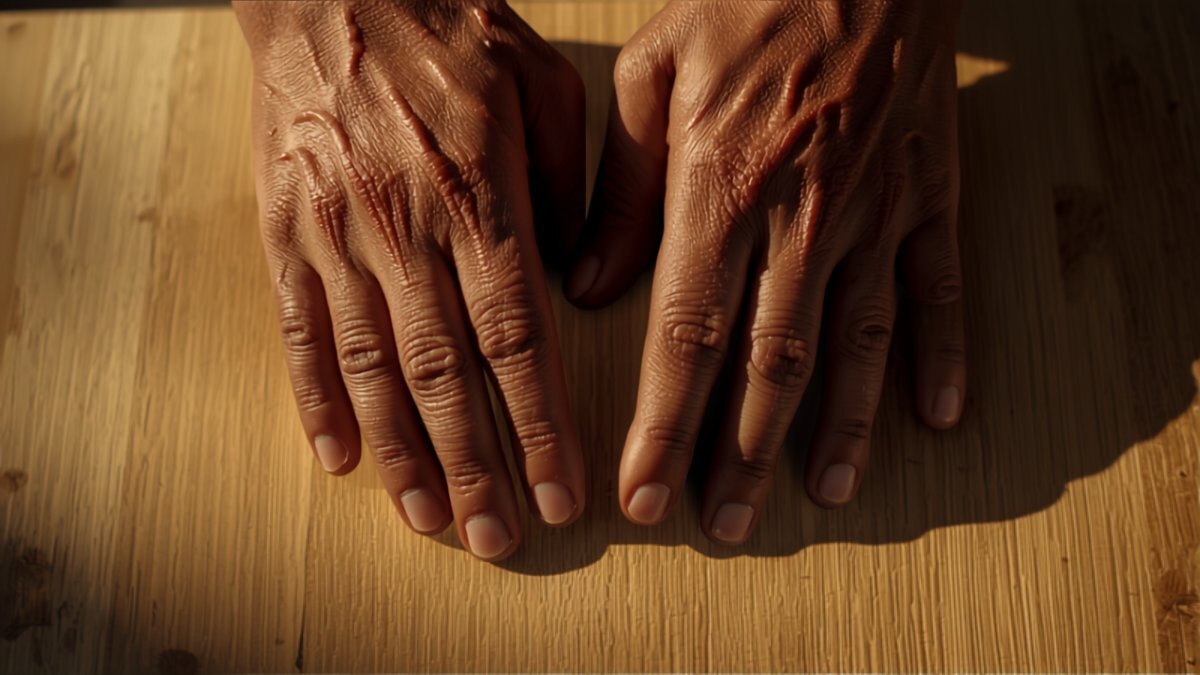
I think about the ant often, standing at the bench in the early morning. It does not announce itself. It does not overreach. It makes a home inside what is already there, quietly, and the wood is stronger for the restraint. I would like the same to be said of us one day — that we took only what the room needed, and left the rest to breathe.
Why Japandi, and why now
People sometimes ask why an old carpentry name has landed, so late, in something as understated as Japandi. The honest answer is that I did not choose the style so much as arrive at it.
Japandi is not a trend to me. It is simply the point where everything I have slowly come to believe finally has a name — restraint, honest material, warmth without noise, room to breathe. The Japanese idea of ma, the active emptiness between things, is what I spent years cluttering over and now spend my days protecting.
It suits where we are, too. We build for families here — the ones who cook curry and ramen in the same kitchen, who need the joinery to survive real humidity and real life, not just look right in a photograph. A kitchen like Mokko Kitchen is what that belief looks like in plywood and board: quiet fronts, honest grain, drawers that close softly at the end of a long day.
What has not changed
The style changed. The bench did not.
We still design and build in-house, still cut our own carcasses rather than send them out, still measure hinge and drawer alignment to under a millimetre because that is the part you feel every single day without ever noticing. That has been true since Urban Deco, and it will be true long after this letter. The boards are gentler now — low-formaldehyde, no VOCs in the finishing — because a home should be kind to the people inside it. But the care is the same care it always was.
If you want to know more about the people at those benches, our about Arimokko page tells the fuller story, and our bespoke design and build page shows how we work now.
I am twenty-seven years on from that first workshop, and I have finally built the thing I would want in my own home. That is all Arimokko is, really — a carpenter who stopped shouting, and started listening to wood.
Thank you for reading this far. Come by the workshop sometime. The coffee is bad and the sawdust gets everywhere, but the light in the morning is worth the trip.
Don Lim, Founder
Begin a quiet conversation with us, whenever your home is ready.